The Lagos State Government has disclosed that since its launch in December 2023, the Mid-Level Agro Produce Hub at Idi-Oro, Mushin, has recorded food transactions valued at over N3 billion.
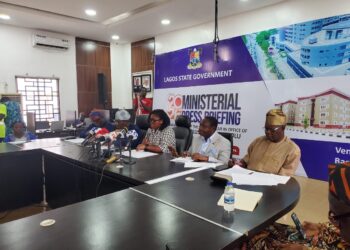
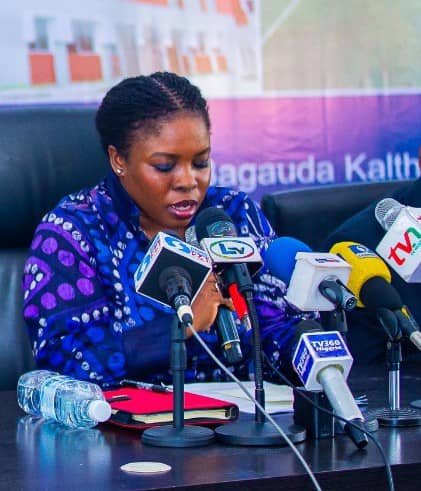
The Honourable Commissioner for Agriculture and Food Systems, Ms. Abisola Olusanya, made this known at the Bagauda Kaltho Press Centre during the Ministerial Press Briefing marking the sixth year in office of Governor Babajide Sanwo-Olu.
Olusanya noted that the establishment of the Lagos Cattle Transit Station, Ranches, Central Food Security Systems, and Logistics Hub in Epe demonstrates the administration’s strong commitment to transforming the agricultural sector.
She added that the development of a five-year Agricultural and Food Systems Roadmap, alongside a Food Security Systems Policy Document, has guided the state’s drive toward increased productivity in the sector.
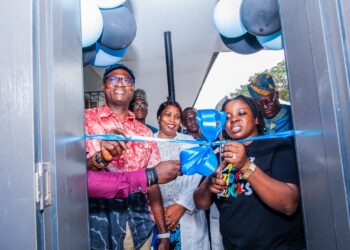
“The Mid-Level Agro Produce Hub at Idi-Oro, Mushin, was commissioned on December 17, 2023, by Mr. Governor and has since commenced operations, selling farm-fresh agro produce every Wednesday and Saturday. So far, the total value of transactions at the hub since inception is over N3 billion,” she said.
She explained that the hub represents the second tier of the state’s food system transformation agenda, adding that three more Mid-Level Agro Produce Hubs are currently under construction in Agege, Abijo, and Opebi.
“Governor Babajide Olusola Sanwo-Olu has initiated a revolution in the agricultural space. This will deliver the changes Lagosians desire — access to wholesome food at affordable prices, processed under hygienic conditions, and marketed in dignified facilities,” she said.
Olusanya also noted that Lagos State’s population is projected to reach 24 million by 2030, stressing the urgent need to ramp up local food production.
According to her, “The state’s food demand is expected to rise to N7.96 trillion per annum by 2030. At the current rate of local food production, Lagos will need to import food worth about N3.38 trillion annually by 2030 to meet demand. To achieve 40% local production, the state must grow its output by approximately 20% per annum.”
Highlighting the Ministry’s achievements, the Commissioner said the Lagos State Government has implemented numerous programmes that have positively impacted food production, supported agro enterprises, and created job opportunities across various segments of the agricultural value chain.
She noted that the State’s Food System Transformation Agenda and the Produce for Lagos programme have redefined marketing, transportation, and processing systems, while also establishing upcountry partnerships to ensure a consistent food supply to Lagos.
The Commissioner also mentioned initiatives such as the Food Discount Markets, Farmers’ Discount Markets, and the Ounje Eko initiative, aimed at cushioning the effects of rising animal feed costs and supporting communities with affordable food through the farmers’ subsidy programme.
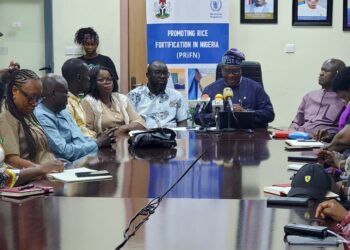
Speaking on the Lagos Rice Mill in Imota, Olusanya revealed that the facility has produced over 240,127 50kg bags of rice, created direct employment for 430 Lagosians, and over 10,000 indirect jobs.
She emphasized that to ensure sustainability, the state has partnered with various organizations for paddy production and technical support.
“The state has provided 800,000 households with subsidized food items under the Ounje Eko Food Discount Market Project; supported 3,726 poultry and fish farmers with subsidized feeds under the Ounje Eko Farmers’ Subsidy Programme; trained 300 youths in apiculture (beekeeping); and empowered 70,200 beneficiaries across all value chains with agricultural inputs and production assets,” she said.
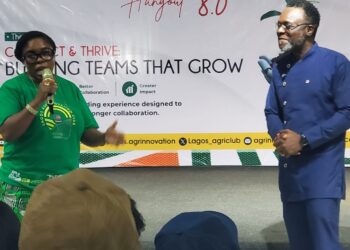
She added that the government has constructed 13km of farm access roads, six jetties, and 15 cottage processing centres for farmers across the state under the APPEALS and Lagos CARES projects in collaboration with the World Bank. It has also implemented youth-centric programmes such as the Lagos Agric Scholars Programme (LASP), Agrinnovation Club/Agrithon Fund, and the Eko Flavours competition.
Other initiatives by the Ministry, according to the Commissioner, include the Lagos Food Festival, Urban Farming Initiative, Eko Agro-Mechanisation Project, the Aquaculture Production and Processing Centre (LACE), and the Lagos Agripreneurship Programme, among others.