•𝗦𝗮𝘆𝘀 𝗧𝗶𝗻𝘂𝗯𝘂 𝗗𝗲𝘀𝗲𝗿𝘃𝗲𝘀 𝗖𝗼𝗺𝗺𝗲𝗻𝗱𝗮𝘁𝗶𝗼𝗻 𝗳𝗼𝗿 𝗣𝗼𝘄𝗲𝗿 𝗦𝗲𝗰𝘁𝗼𝗿 𝗥𝗲𝗳𝗼𝗿𝗺𝘀
•𝗖𝗵𝗮𝗿𝗴𝗲𝘀 𝗚𝗼𝘃𝗲𝗿𝗻𝗼𝗿𝘀 𝘁𝗼 𝗧𝗮𝗸𝗲 𝗙𝘂𝗹𝗹 𝗔𝗱𝘃𝗮𝗻𝘁𝗮𝗴𝗲 𝗯𝘆 𝗗𝗲𝘃𝗲𝗹𝗼𝗽𝗶𝗻𝗴 𝗦𝘁𝗿𝗮𝘁𝗲𝗴𝗶𝗰 𝗘𝗻𝗲𝗿𝗴𝘆 𝗜𝗻𝗶𝘁𝗶𝗮𝘁𝗶𝘃𝗲𝘀
By Olayiwola Rasheed Emmanuel
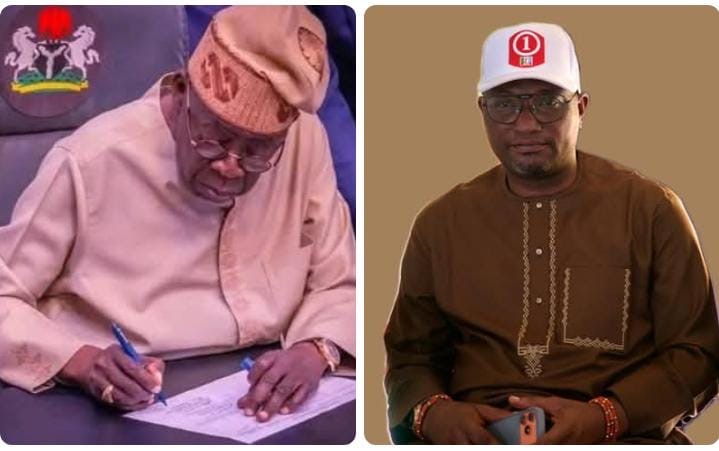
The Renewed Hope Ambassador Coordinator for Agege Federal Constituency, High Chief (Alh) Ganiyu Kola Egunjobi (JP), has said that ongoing reforms in Nigeria’s electricity sector remain the most viable pathway to resolving the country’s long-standing electricity crisis.
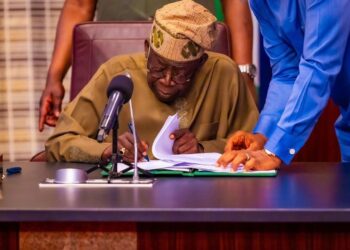
Egunjobi particularly commended President Bola Ahmed Tinubu, GCFR, for initiating structural reforms in the power sector, including the removal of electricity from the Exclusive Legislative List, which now allows states to generate, transmit and distribute electricity independently within their territories.
According to him, the reform represents a bold step toward decentralising electricity development and unlocking new opportunities for investment, innovation and improved power supply across the Country.
“President Bola Ahmed Tinubu deserves commendation for taking decisive action to address the long-standing structural problems in Nigeria’s electricity sector by empowering states to actively participate in electricity generation and distribution,” he said.
Egunjobi noted that the reform has already begun to yield practical results in some States, particularly Lagos State, where the government has taken concrete legislative and executive steps to strengthen electricity supply.
He commended the Lagos State House of Assembly, led by the Speaker, Rt. Hon. (Dr) Mudashiru Ajayi Obasa, for passing the Lagos State Electricity Bill, describing it as a visionary legislative intervention designed to reposition the state’s power sector for long-term growth.
The law, which was subsequently signed by Governor Babajide Olushola Sanwo-Olu, establishes a comprehensive legal and regulatory framework for the creation of a Lagos Electricity Market and enables the state to independently regulate electricity generation, transmission, distribution and supply within its jurisdiction.
The legislation also repealed the Lagos Electric Power Sector Reform Law of 2018 and introduced new structures to strengthen electricity governance and attract investment into the sector.
Under the new law, Lagos State is empowered to establish its own electricity regulatory institutions, promote diverse energy sources including renewable energy, and encourage private sector participation in electricity infrastructure development.
Egunjobi noted that the law also created the Lagos State Electricity Regulatory Commission, which will oversee electricity activities within the state and ensure transparency, accountability and efficiency in the electricity market.
He further praised Governor Sanwo-Olu for taking swift steps to implement the law, including the inauguration of the regulatory commission and the development of strategic frameworks aimed at improving electricity access and supporting the state’s vision for a 24-hour economy.
According to him, the collaborative efforts between the executive and legislative arms of government in Lagos State demonstrate the practical benefits of decentralising electricity governance.
Egunjobi said the Lagos example clearly shows how proactive leadership at the State level can accelerate power sector development and attract significant private sector investment.
He therefore urged other Governors across the federation to emulate the Lagos model by developing similar legal and institutional frameworks capable of addressing electricity challenges within their states.
“Lagos State has demonstrated how states can take advantage of the opportunity created by the Federal Government’s reforms. Other governors across the federation should emulate this example by developing strategic electricity initiatives tailored to their respective comparative advantages,” he said.
The Renewed Hope Ambassador Coordinator noted that States with abundant sunshine can invest heavily in solar power projects, while those with natural gas resources can prioritise gas-fired electricity generation.
He added that States with hydropower potential and other renewable resources should also explore sustainable energy solutions capable of meeting their local electricity demands.
Egunjobi explained that Nigeria currently has about 15,000 megawatts of installed electricity generation capacity, yet the country transmits only about 5,000 to 6,000 megawatts, leaving nearly 10,000 megawatts of potential electricity generation idle due to limitations within transmission and distribution infrastructure.
He noted that Nigeria transmits an estimated 128,000 megawatt-hours of electricity daily, while the average cost of generating, transmitting and distributing electricity stands at about ₦208 per kilowatt-hour.
According to him, Nigerians consume electricity valued at approximately ₦27 billion daily, translating to nearly ₦900 billion monthly and about ₦10 trillion annually.
However, he lamented that more than 35 percent of electricity transmitted across the country does not reach consumers, largely due to electricity theft, transmission losses, meter bypass and revenue leakages within the distribution system.
Egunjobi added that electricity distribution companies recover only about ₦2.5 trillion annually, leaving nearly ₦7 trillion worth of electricity unaccounted for every year, while the Federal Government continues to absorb more than ₦3 trillion annually in electricity subsidy.
He identified cost-reflective tariffs, expansion of transmission infrastructure, reliable gas supply and the upgrade of distribution networks as the four key challenges confronting Nigeria’s electricity sector.
Egunjobi also urged the Minister of Power, Adebayo Adelabu, to intensify public engagement by providing detailed and regular explanations about reforms being implemented in the electricity sector.
“The silence around many of the complexities of the power sector can sometimes be deafening. Nigerians deserve consistent information and proper explanations about the reforms being undertaken,” he said.
He further called on the National Orientation Agency (NOA) to strengthen its public enlightenment campaigns by consistently educating citizens about government policies and reforms.
According to him, well-informed citizens will be better positioned to understand the reforms and contribute meaningfully to national development.
Egunjobi also advised Nigerians not to direct misplaced criticism toward the Federal Government alone regarding electricity supply challenges.
“With electricity now removed from the Exclusive Legislative List, state governments now have greater responsibility to develop power solutions within their jurisdictions,” he said.
He expressed confidence that with sustained reforms, improved policy coordination and stronger collaboration between Federal and State governments, Nigeria’s electricity sector can gradually overcome its long-standing challenges and support long-term economic growth.