The Lagos State Government has reiterated its commitment to consistently building sustainable platforms that will promote a resilient food system.
This declaration comes as part of preparations for the 2025 World Food Day, which will be celebrated globally on Thursday, October 16th.

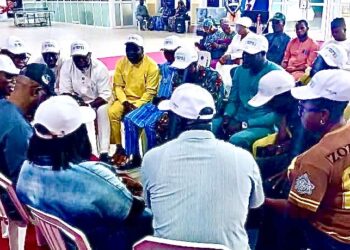
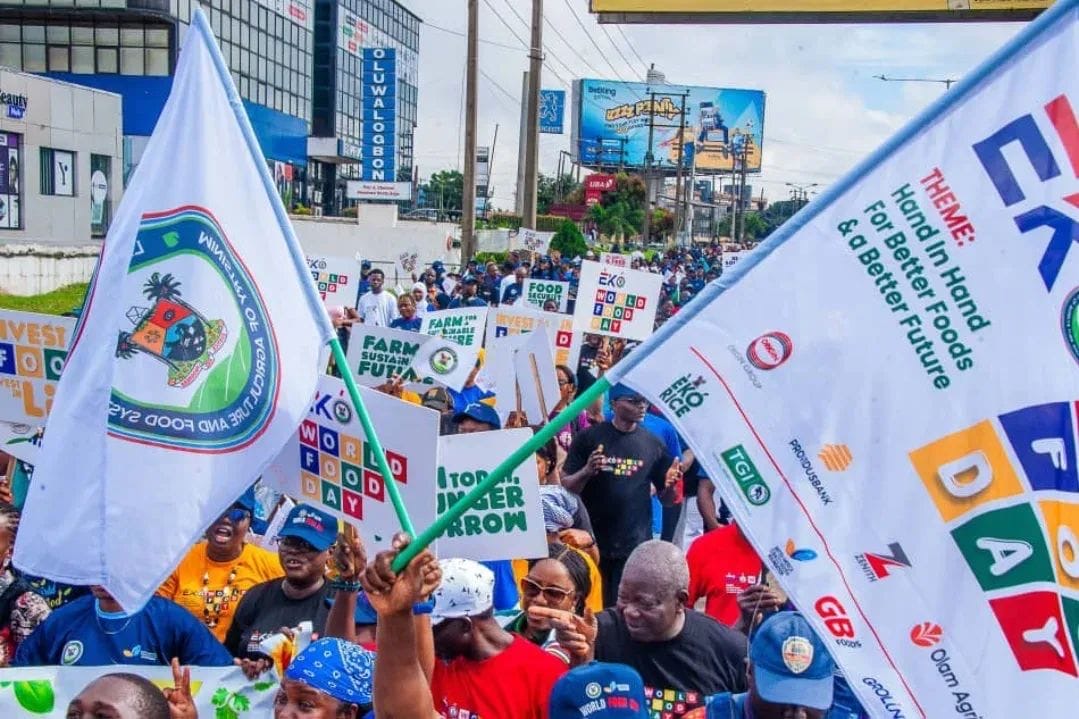
The Ministry of Agriculture and Food Systems commenced the celebration with a Road Walk on Wednesday, October 8th, 2025. The activities will continue with the Lagos Agric Scholars Quiz Competition on Tuesday, October 14th, at the Adeyemi Bero Auditorium, and culminate in the Grand Finale on Thursday, October 16th, 2025, at the Police College Parade Ground, Ikeja.
Commissioner for Agriculture and Food Systems, Ms. Abisola Olusanya, said the Road Walk was aimed at creating awareness and sensitising residents about the state’s agricultural potential, while also galvanising public support for the continued growth of the sector.
According to her, “People don’t see Lagos as an agrarian state, but under the administration of Governor Babajide Sanwo-Olu, Lagos has been highly efficient in agriculture — probably in the same category as Niger State. We want to continue to push that agenda for people to know that Lagos is indeed an agrarian state, though in a different form and manner. We also want to encourage the younger generation to take ownership of the agricultural space and celebrate our stakeholders who have worked tirelessly to ensure food gets to our tables.”
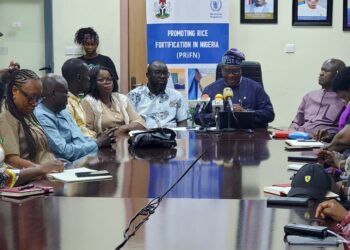
Speaking earlier at a press conference, Olusanya noted that the global event serves as a reminder of the need for collective action against hunger and malnutrition.
She explained that this year’s theme, “Hand in Hand for Better Foods and a Better Future,” underscores the importance of partnerships among governments, the private sector, development organisations, and communities to transform agri-food systems and promote healthy diets.
The Commissioner stressed that the administration of Governor Sanwo-Olu has, over the years, made significant investments in the development of the agricultural ecosystem to ensure optimal use of available resources, including the protection of land designated for agricultural purposes.
“People often see more value in using Lagos land for real estate than for food production, and this competition threatens the state’s food security. However, Mr. Governor has earmarked specific areas within designated zones across Lagos for agriculture,” she added.
Despite being the smallest state in terms of landmass, Lagos remains the most densely populated state in Nigeria. Feeding such a large population, Olusanya said, requires innovative strategies, bold investments, and strong partnerships.
She noted that since 2021, when the state launched its five-year Agricultural and Food Systems Roadmap targeting 40% food self-sufficiency by 2025, several transformative intervention programmes have been implemented to scale up food production, reduce post-harvest losses, strengthen market linkages, and empower farmers and youth.
Some of these initiatives include the Food Systems Transformation Agenda, which focuses on establishing the Lagos Central Food Security Systems and Logistics Hub, Mid-Level Agro-Produce Hubs, Last-Mile Food Distribution Outlets, Produce for Lagos Programme, Eko Agro Mechanisation Programme (EKO AGROMECS), and the Lagos Agripreneurship Programme (LAP), among others.
On the fluctuating prices of food items in the state, the Commissioner attributed the trend to irregular rainfall patterns linked to climate change.
She noted that while food prices have started dropping in recent weeks, the decline has not been at the expected rate, urging residents to continue supporting government efforts to address artificial price hikes.
In his remarks, the Special Adviser to the Governor on Agriculture and Food Systems, Dr. Oluwarotimi Fashola, provided insights into the state’s rice production drive, noting that Lagos is currently cultivating rice and partnering with various stakeholders to ensure food sufficiency across the state.