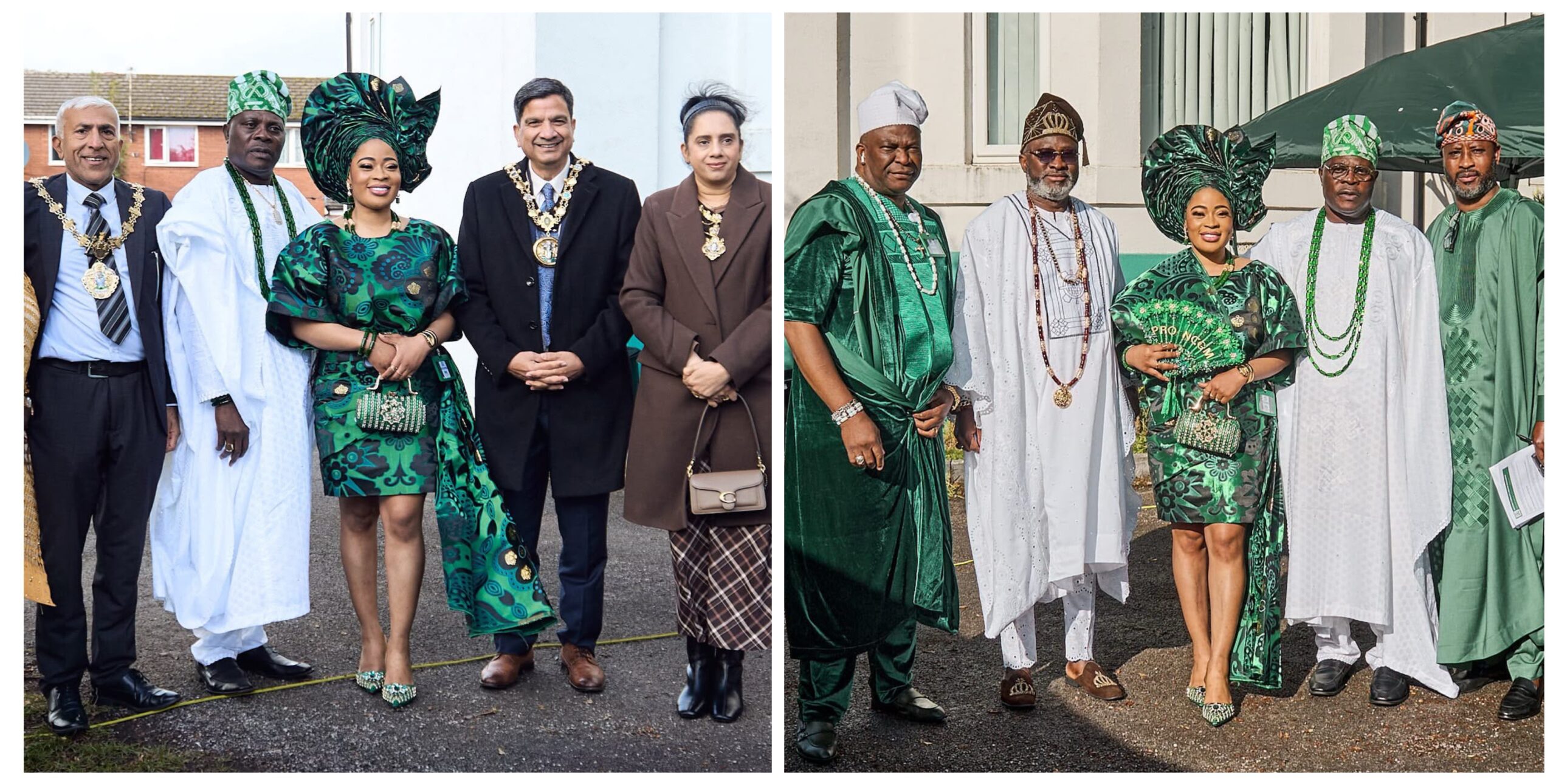
The Nigerian Community Greater Manchester (NCGM) has called on the Federal Government to establish regular passport and consular services in Northern England following the successful outcome of a recent passport intervention exercise in Manchester.
The appeal was made by NCGM Chairman, Otunba Abayomi Bashiru-Kaka, during the organisation’s celebration of Nigeria’s 66th Independence Anniversary, held in Manchester on Saturday, October 10, 2026.
In a press release signed by its Public Relations Officer, Joy Adetona, the organisation described the intervention as a welcome development that had eased the difficulties faced by Nigerians seeking passport services outside London.
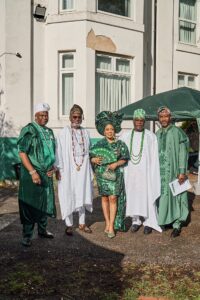
The event attracted community members, civic leaders, representatives of Nigerian institutions and other distinguished guests.
Bashiru-Kaka commended the Nigerian High Commission in London, the Nigeria Immigration Service (NIS) and the Federal Government for improving consular services for Nigerians in the diaspora.
He particularly acknowledged the Minister of Interior, Dr Olubunmi Tunji-Ojo; the Comptroller-General of the NIS, Mrs Kemi Nanna Nandap; and the officers involved in the exercise.
The intervention covered four UK locations: Manchester, London, Cardiff and Aberdeen, with the initial phase commencing in Manchester and London.
Highlighting the demand for passport services in Northern England, Bashiru-Kaka disclosed that Manchester recorded 1,709 passport enrolments within the first six operational days, compared with 587 in London, according to NIS figures released on September 14, 2026.
He noted that Nigerians in Greater Manchester, Liverpool, Leeds, Sheffield, Bradford, Newcastle and surrounding communities often face significant costs and inconvenience travelling to London for passport services.
According to him, the burden is particularly challenging for families, elderly residents, students and working professionals.
Consequently, he urged the Nigerian High Commission, the NIS and other relevant authorities to establish a regular and sustainable passport and consular service arrangement in Northern England, with Manchester serving as a suitable regional base.
He identified Manchester’s accessibility, established Nigerian community networks and demonstrated demand as compelling reasons for the proposed arrangement, while emphasising the need for timely announcements and clear application guidelines.
Beyond consular services, Bashiru-Kaka highlighted the contributions of Nigerians in the diaspora to national development through family support, investment, professional expertise and community development.
He said improved access to essential government services would further strengthen ties between Nigeria and its citizens abroad.
The NCGM chairman reaffirmed the organisation’s commitment to collaborating with the Nigerian High Commission, the NIS, mayors, councillors, public institutions and community organisations across Greater Manchester to advance the welfare of Nigerians.
He also encouraged Nigerians to remain proud of their heritage while contributing positively to British society.
The organisation expressed appreciation to the Nigerian authorities and personnel involved in the intervention, pledging continued cooperation with relevant stakeholders to improve communication, coordination and awareness of available services.
NCGM expressed hope that the Manchester exercise would serve as a foundation for more accessible and sustainable passport and consular services for Nigerians across Northern England.