Islamic leaders and professionals have warned that poor land documentation, weak financial accountability and inadequate governance are exposing mosques across Lagos to ownership disputes, illegal sales and possible demolition.
They urged mosque administrators to urgently embrace proper documentation, legal compliance and transparent management to safeguard Islamic institutions and preserve their properties for future generations.
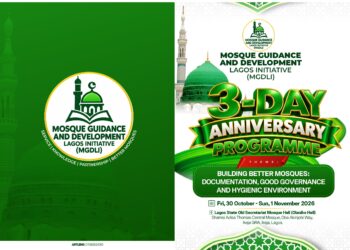
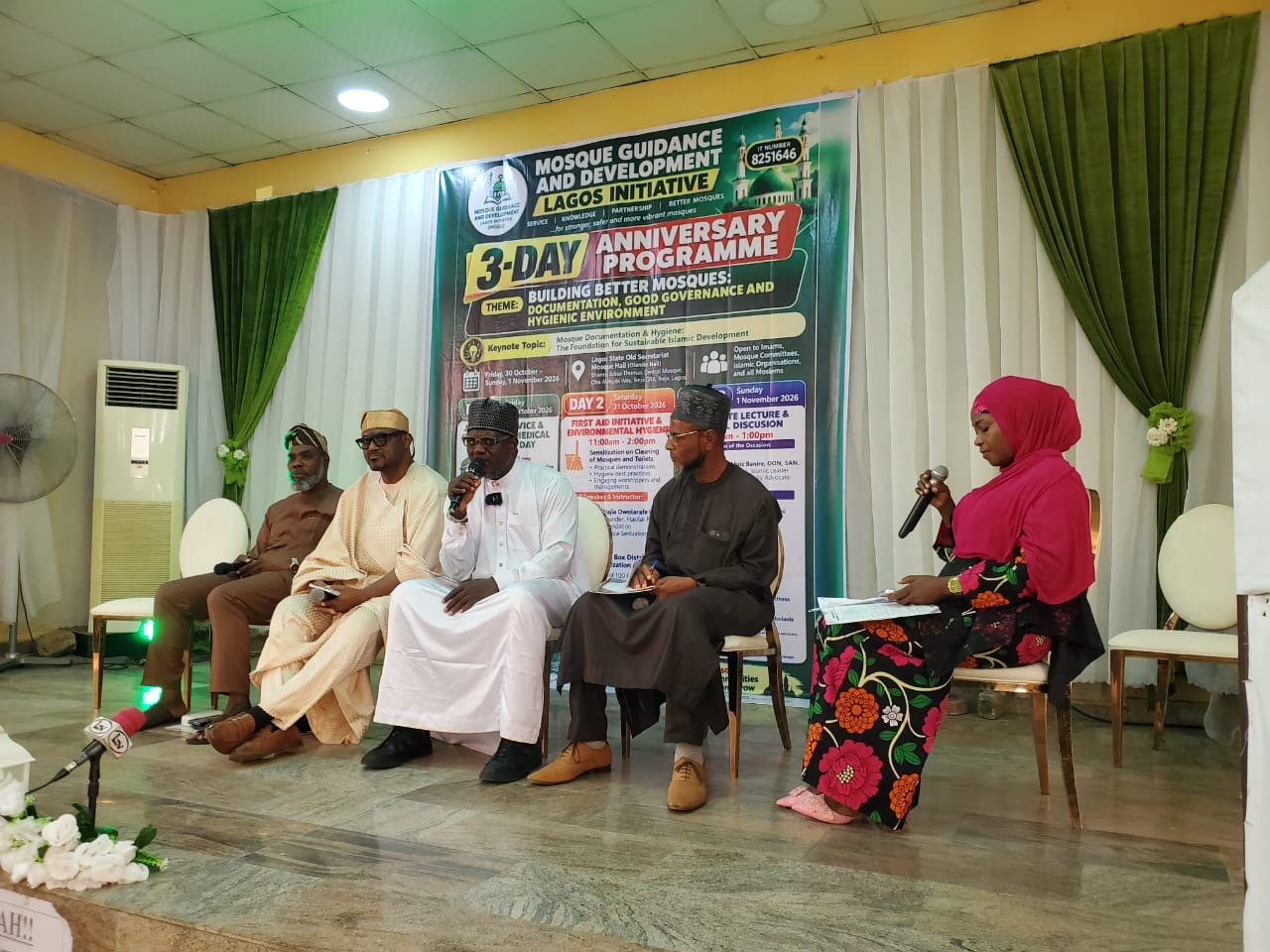
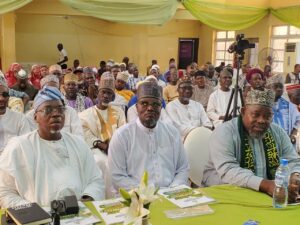
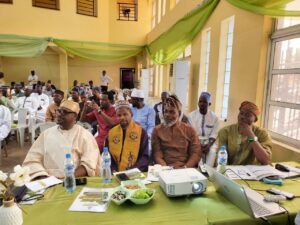
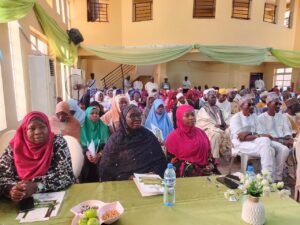
The warning was issued at the third anniversary celebration of the Mosque Guidance and Development Lagos Initiative (MGDLI), held at the Shamsi Adisa Thomas Central Mosque, Ikeja GRA, Lagos.
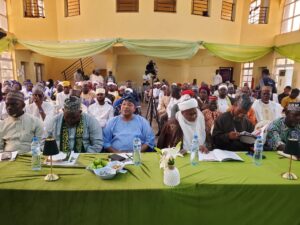
Delivering the keynote address titled “Mosque Documentation and Hygiene: The Foundation for Sustainable Islamic Development in Lagos,” Professor Saheed Olurotimi Timehin of Lagos State University identified proper documentation, hygiene and good governance as critical to the survival and sustainable development of mosques.
Timehin cautioned that the failure of original donors to legally transfer ownership of donated land to mosque authorities could leave such properties vulnerable to claims by family members, illegal transactions and avoidable legal battles.
He called on mosque administrators to maintain comprehensive records of land ownership, survey plans, title documents, donations, financial transactions, project accounts and administrative activities.
He also advocated secure digital record-keeping systems and proper documentation of building inspections, electrical and plumbing systems, fire safety equipment and other facilities.
“The true greatness of a mosque is not measured by its physical appearance or size but by the quality of worship it supports, the integrity of its administration, the cleanliness of its environment, and the positive impact it has on the community,” he said.
Describing documentation as an expression of Amanah (trust), justice and accountability, the lecturer said proper record-keeping should not be misconstrued as a lack of confidence in mosque administrators.
“Documentation should be understood not as a sign of distrust, but as a divine injunction and a means of safeguarding trust,” he said.
On hygiene, Timehin urged mosque leaders to improve sanitation in toilets, ablution facilities and prayer halls, ensure adequate water supply and drainage, and establish sanitation committees to coordinate cleaning and maintenance.
He also identified transparency, consultation, clearly defined responsibilities, accountability and succession planning as essential components of effective mosque governance.
The Grand Chief Imam of Lagos State, Sheikh Sulaiman Abou-Noulla, reinforced the call for legal compliance, warning mosque administrators against commencing construction without first securing the necessary land title documents.
He stressed that religious institutions were not exempt from the laws governing land ownership and development.
“Every country has its government and laws, and the laws of the land must be obeyed. Nobody is above the law,” he said.
Citing Surah Al-Baqarah 2:282, which emphasises the documentation of deferred financial transactions, the cleric urged Muslims to apply the same principle to mosque property management.
“If you want to build a mosque in Lagos and you have identified a piece of land, you have to conduct a survey to establish its status and obtain the necessary title documents before embarking on construction,” he said.
Chairman of MGDLI, Alhaji Musoddiq Adele Sanni, disclosed that the initiative was established in response to growing concerns over mosque demolitions, disputed ownership and the sale of mosque properties.
Sanni, who traced the organisation’s origins to his tenure as chairman of the Muslim Lawyers Association of Nigeria (MULAN), said investigations into some of the cases revealed that original donors had failed to legally transfer ownership of donated land to the mosques.
He explained that successors of some donors subsequently claimed the properties as family inheritance, leaving the affected mosques exposed to ownership disputes and possible demolition.
According to him, the first mosque development sensitisation programme was held on October 28, 2023, at the Shamsideen Adisa Central Mosque.
He said MGDLI had since grown to more than 20 members drawn from legal, media, surveying, engineering and other professional backgrounds.
Sanni added that the initiative had continued to address challenges confronting mosques through advocacy, public lectures, educational publications, mosque visits and legal interventions.
He urged Muslims to take collective responsibility for protecting their religious institutions, warning that the community could not afford to leave such challenges unaddressed.
“Who would help us solve these problems? The honest answer was clear: nobody but we Muslims ourselves. We must take responsibility for addressing our own challenges,” he said.
The President of the Lagos Muslim Community and former Lagos State Commissioner for Home Affairs, Oyinlomo Danmole, urged MGDLI to seek institutional backing from the Lagos Muslim Community, the Ministry of Home Affairs and the Nigeria Inter-Religious Council (NIREC).
Danmole said such collaboration would strengthen the initiative’s authority and enable it to secure the attention of relevant institutions when reporting challenges involving mosque administration.
“When people don’t have authority, nobody will listen to you if you want to do something. Get your authority from an authorised body,” he said.
He assured MGDLI of the Lagos Muslim Community’s willingness to support its activities and expressed optimism about possible collaboration with NIREC.
Also speaking during the panel discussion, former Lagos State Commissioner for Home Affairs, Dr Abdullateef Abdulhakeem, urged Muslims to prioritise the proper organisation and management of mosques.
Abdulhakeem volunteered to join MGDLI and pledged to help spread its message to a wider audience.
The three-day anniversary programme, which began on October 30 and ended on November 1, 2026, brought together Islamic leaders, professionals and other stakeholders to examine ways of strengthening mosque administration, protecting religious properties and promoting sustainable Islamic development in Lagos.