— Urges youths to seize opportunities or risk being left behind in fast-changing world
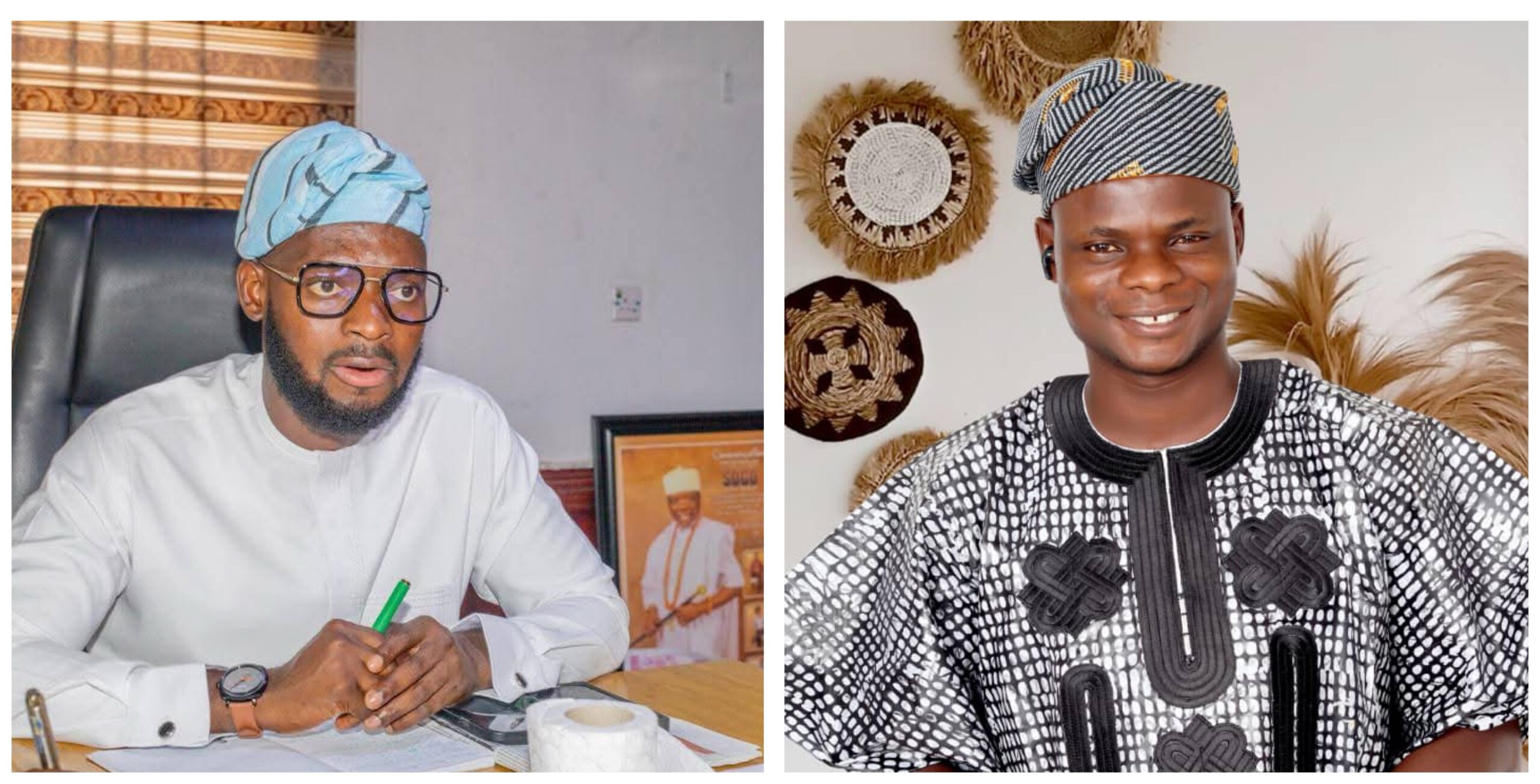
Former Special Adviser on Environment, Information and Civic Engagement to the immediate past Chairman of Agege Local Government, Hon. Olayiwola Rasheed Emmanuel, has commended the Acting Chairman of Agege Local Government, Hon. Abdul-Ganiyu Vinod Obasa, for what he described as “visionary, dynamic, and people-oriented leadership” that is redefining grassroots governance and transforming the area into a hub of youth empowerment, skill development, and digital innovation.
Hon. Ganiyu Kolawole Egunjobi’s former aide, in a statement released over the weekend, Olayiwola, a seasoned public affairs analyst and leadership scholar, praised Obasa for his rapid and strategic impact within just two months in office.
He said the Acting Chairman’s administration has “inspired a renaissance in Agege — rekindling hope, reshaping community priorities, and empowering residents through inclusive governance.”
“Hon. Obasa has shown that leadership is not defined by tenure but by transformation,” Olayiwola said. “In less than two months, he has used the instrument of governance to uplift lives, ignite potential, and expand opportunity for the common man.”
Olayiwola particularly lauded the introduction of the Agege ICT and Digital Skills Empowerment Programme, describing it as a “masterstroke initiative” that equips youths with globally relevant competencies such as computer literacy, data analysis, coding, digital marketing, and graphic design. He said the programme positions Agege youths to compete in a digital economy where “employability and innovation are driven by skill, not certificates.”
Beyond digital empowerment, he highlighted Obasa’s Vocational and Technical Skills Development Programme, which provides practical training in fashion design, catering, automobile repair, welding, electrical works, and other trades—turning participants into “future employers of labour rather than job seekers.”
Olayiwola further applauded the Council’s Entrepreneurship and Financial Literacy Workshopsand Soft Skills Clinics, which, he noted, are helping young entrepreneurs bridge the gap between talent and enterprise through mentorship, business management, and communication training.
“Hon. Obasa’s empowerment model is holistic. It goes beyond technical ability to build discipline, leadership, and purpose,” he stated. “He’s not just training workers; he’s developing innovators and responsible citizens.”
According to him, the Acting Chairman’s focus on Public–Private Partnerships (PPPs) is another masterstroke that ensures beneficiaries of training programs are linked to real job placements, mentorship opportunities, and business funding.
Olayiwola, who served under former Executive Chairman High Chief Ganiyu Kola Egunjobi (JP), said Obasa’s administration has built upon past foundations while “charting a new course that aligns with the demands of a 21st-century economy.”
However, his message wasn’t all praise. Olayiwola used the opportunity to challenge Nigerian youths to take responsibility for their own progress, warning that complacency and dependence could render them obsolete in a fast-changing world dominated by technology and innovation.
“Too many youths are waiting for miracles that will never come,” he said. “The Acting Chairman has provided ICT hubs, vocational centres, and entrepreneurial training. But only those who act will benefit.”
He stressed that “the world now rewards competence, not credentials,” urging youths to pursue practical skills that solve problems and create value.
“If your knowledge cannot solve a problem, it cannot earn you a living,” he emphasized. “From your phone in Agege, you can now learn coding, entrepreneurship, or digital communication. The world is literally at your fingertips — the rest is up to you.”
In a final note, Olayiwola warned that inaction could lead to what global economists call a “useless class” — individuals left behind by automation and artificial intelligence due to lack of relevant skills.
“What Hon. Obasa is doing in Agege is visionary. He is equipping our youths to stay relevant in the Fourth Industrial Revolution — an age where innovation defines survival,” he declared.
He urged other local government chairmen across Lagos and Nigeria to emulate the Agege model, describing it as “empowerment redefined — systematic, structured, and sustainable.”
“This is not charity; it’s strategy,” Olayiwola concluded. “Hon. Obasa’s leadership has redefined local governance as a platform for transformation. The future of Agege has never looked brighter.”