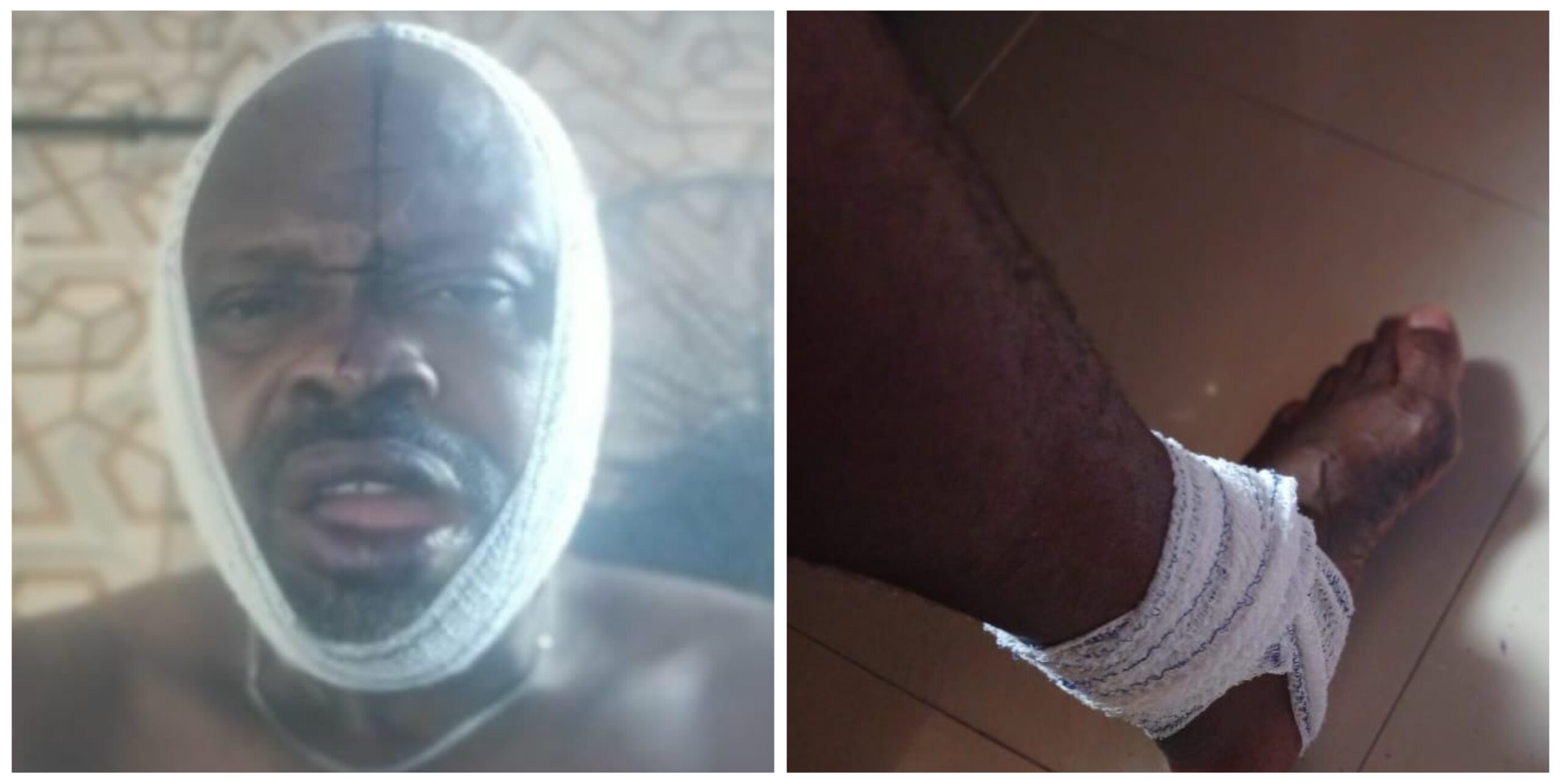
A resident of Igbe, Ijede area of Ikorodu, Lagos State, Kehinde Azeez Jelili, narrowly escaped death on March 2, 2022, after he was violently attacked by a mob following allegations of same-sex sexual activity.
Jelili, a middle-aged man who resides at 3, Akeem Akinadejobi Street, was reportedly accosted by community members who accused him of homosexuality. The situation quickly escalated as he was beaten, stripped to his underwear, and publicly paraded through the neighbourhood.
Witnesses said he sustained serious injuries, including deep wounds to his head and leg. The mob allegedly issued stern warnings, threatening to kill him should he ever return to the community. During the attack, some assailants reportedly questioned why he would engage in same-sex relations despite the presence of women in the area.
The incident has once again drawn attention to Nigeria’s legal framework criminalising same-sex relationships. Section 214 of the Criminal Code Act categorises what it describes as “unnatural offences” as felonies, prescribing a prison sentence of up to 14 years for those found guilty.
Human rights organisations note that this provision, alongside other restrictive laws, has contributed to the arrest and harassment of LGBTQ persons and activists across the country. In extreme cases, individuals accused of same-sex relationships have been killed, with reported instances of delayed or inadequate investigations by law enforcement agencies.
The attack on Jelili has triggered renewed criticism from rights advocates, who argue that violence against LGBTQ persons reflects misplaced societal frustration. Nigerian LGBTQ activist Samson Mikeldescribed such attacks as unjustified and rooted in broader social and economic anxieties.
“People direct their anger at vulnerable groups,” Mikel said. “LGBTQ persons are not responsible for Nigeria’s economic challenges or the lack of job opportunities. They simply want to live and love like everyone else.”
Also reacting, The Initiative for Equal Rights (TIERs) urged the federal government to move beyond rhetoric and implement concrete measures to protect the fundamental rights of all Nigerians.
“For many citizens—particularly LGBTQIA+ individuals, women, and those within the Sexual Orientation, Gender Identity, Expression, and Sexual Characteristics (SOGIESC) community—basic freedoms remain out of reach,” the organisation stated.
TIERs further called for the repeal of the Same-Sex Marriage (Prohibition) Act, 2014, compliance with recommendations from the African Commission on Human and Peoples’ Rights, and the enactment of laws and policies aimed at curbing hate speech, violence, and discrimination against LGBTQ persons.