…Says incoming administration will build on Sanwo-Olu’s agricultural policies
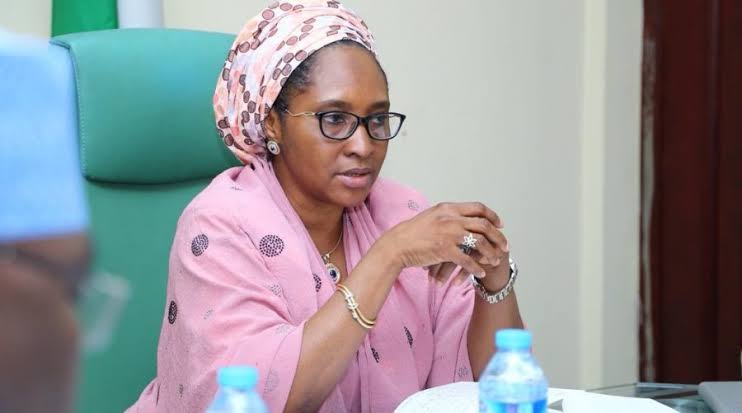
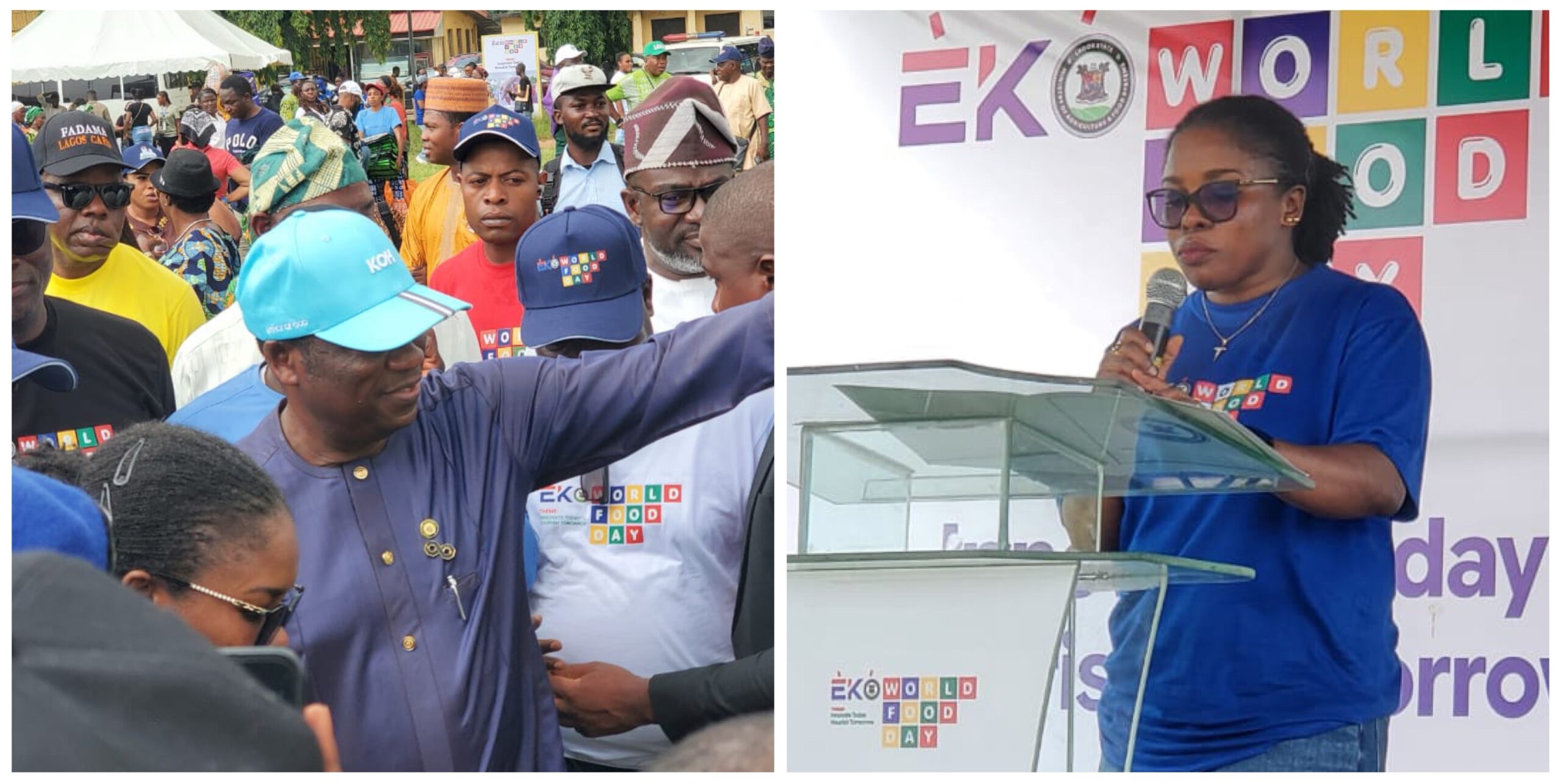
The Lagos State Commissioner for Agriculture and Food Systems, Ms. Abisola Olusanya, has reaffirmed the state government’s commitment to reducing food prices and achieving sustainable food security, assuring residents that efforts to make food more affordable will remain a priority.
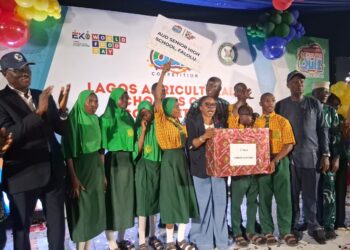
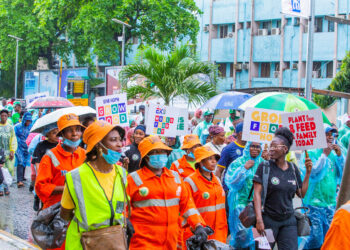
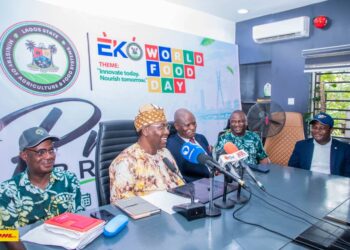
Olusanya gave the assurance on Friday at the grand finale of the 2026 World Food Day celebration held at the Nigeria Police College, GRA, Ikeja, where she highlighted the administration’s agricultural initiatives and expressed confidence that the incoming government would consolidate the gains recorded under Governor Babajide Sanwo-Olu.
The celebration attracted farmers, agribusiness operators, investors, development partners and other stakeholders across the agricultural value chain, who showcased food products, agricultural equipment and other consumables at affordable prices.
The event also provided a marketplace for farmers and food vendors to connect with consumers, while manufacturers and suppliers of agricultural equipment engaged investors on opportunities in mechanised farming, irrigation and aquaculture.
She said feeding Lagos’ growing population remained a major responsibility of the government, adding that policies and programmes implemented over the past seven and a half years had been geared towards strengthening food production, improving distribution and making essential food items more accessible to residents.
The commissioner thanked Governor Sanwo-Olu for his support and confidence in the ministry, noting that the foundation laid by the present administration would provide a basis for further development of the agricultural sector.
Also speaking, Ruth Owojaye, representing the British American Tobacco Nigeria Foundation (BATNF), said the organisation remained committed to promoting sustainable agriculture.
She disclosed that the foundation had invested more than ₦5 billion in farmer empowerment and reached nearly two million beneficiaries through training, agricultural input supplies and improved access to water.
Owojaye stressed the need for continued innovation in agriculture, particularly through improved access to modern tools, relevant knowledge and resources for women, youths, rural communities and smallholder farmers.
Delivering the keynote address on behalf of Sanwo-Olu, the Deputy Governor, Dr. Kadri Obafemi Hamzat, said Lagos must improve productivity on available farmland, strengthen food supply partnerships with other states, expand processing capacity and reduce waste to achieve food security.
He noted that Lagos, despite being Nigeria’s smallest state by landmass, had a population of more than 22 million people, making efficient food production and distribution essential to meeting the state’s needs.
Hamzat said the administration’s Five-Year Agricultural and Food Systems Roadmap targeted an increase in food self-sufficiency from about 20 per cent to 40 per cent of the state’s food demand.
He highlighted investments in food logistics infrastructure, agro-produce hubs, rice production, mechanisation, livestock, fisheries and youth training, alongside programmes designed to support farmers and agribusinesses.
The deputy governor cited the Lagos Rice Mill in Imota, the Eko Agro Mechanisation Programme and the Produce for Lagos initiative among the interventions aimed at increasing production, improving market access and strengthening the food supply chain.
He also announced that ₦200 million had been set aside for the third edition of the Lagos Agrithon to support agricultural innovations, following the award of ₦150 million in grants to agritech innovators at the Lagos Agrinnovation Summit 2.0.
Hamzat identified technology adoption, stronger partnerships, investment in farmers, reduction of post-harvest losses and the pursuit of affordability, nutrition and sustainability as priorities for the sector.
Describing the celebration as the last World Food Day event of the Sanwo-Olu administration, he expressed appreciation to farmers for their contribution to feeding Lagos, stressing that their welfare and the state’s commitment to food security must endure beyond the current government.
He urged stakeholders to sustain their commitment to building a food system that guarantees residents access to safe, nutritious and affordable food while creating economic opportunities across the agricultural value chain.