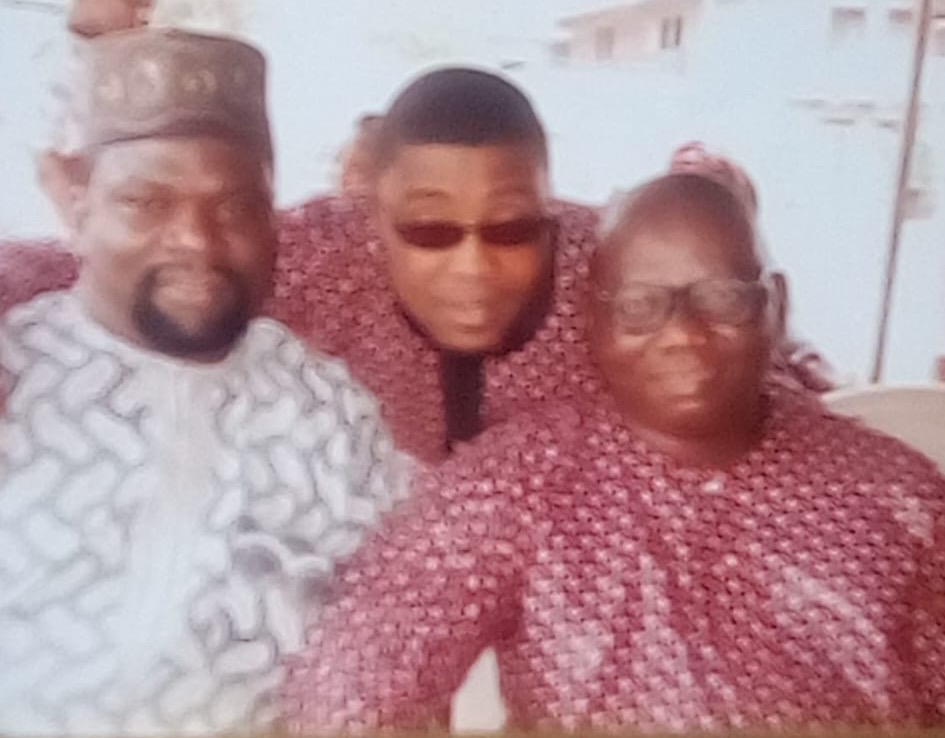
The killing of Alhaji Rasak Bello, popularly known as “Hamburger,” during the All Progressives Congress (APC) councillorship primaries in Oshodi/Isolo Local Government Area of Lagos State on May 29, 2017, reportedly deepened the fears that had earlier compelled his political associate, Elias Adebara Idris, popularly known as “Alooma,” to leave Nigeria.
Adebara had reportedly fled the country before the primary election following a series of threats, attacks and incidents that raised serious concerns about his safety. The subsequent killing of Bello, who had openly supported his political ambition, therefore became a disturbing confirmation of the danger Adebara believed he was facing.

Bello was reportedly shot dead in Shogunle, Oshodi, amid violence that erupted during the APC councillorship primaries. The incident occurred against the backdrop of growing political tension and rivalry among competing interests within the local APC structure.
The killing reportedly triggered panic in the area, with further incidents of violence and reprisal attacks said to have followed. The police subsequently commenced investigations into the circumstances surrounding Bello’s death and the violence associated with the primaries.
Adebara’s ordeal, however, had begun well before the primary election.
He had expressed interest in contesting for the APC councillorship ticket for Ward E2, Ladipo/Ewu, in Oshodi/Isolo. Bello, a close political associate, openly backed his aspiration, a position that allegedly placed both men at odds with rival political interests.
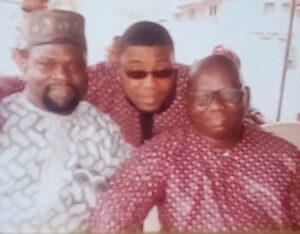
Sources familiar with the events said the atmosphere became increasingly hostile after Bello declared his support for Adebara. It was alleged that the two men were warned to abandon the political ambition or face deadly consequences.
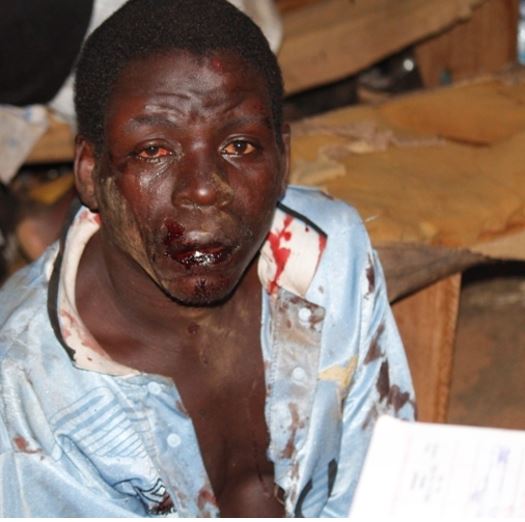
According to accounts of the incidents, the alleged threats were followed by acts of intimidation and physical attacks. Adebara was reportedly beaten after attending a ward meeting, an assault that allegedly resulted in the loss of two teeth.
There were also claims that unidentified persons followed him on two occasions and that, during one of the encounters, a gun was allegedly pointed at him. He was further said to have received a written threat to his life.
The combination of these incidents reportedly heightened Adebara’s fears and eventually influenced his decision to leave Nigeria before the APC primaries.
The situation took an even more disturbing turn after his departure.
News of Bello’s death during the May 29 primaries reportedly reached Adebara while he was outside the country. For him, the killing of the man who had publicly supported his political ambition was a chilling development that reinforced his belief that the threats he had received before leaving Nigeria could not be dismissed.
Contemporary reports identified Bello as one of the victims of the violence that accompanied the APC councillorship primaries in Oshodi. He was reportedly shot during the fracas surrounding the exercise, prompting police investigations and widespread concern among residents and political supporters.
Beyond its immediate impact, the incident underscored the dangers associated with political rivalry and electoral contests in Nigeria, particularly at the grassroots level, where political competitions have at various times been marred by intimidation, clashes and violence.
For Adebara, however, the incident was deeply personal.
His aspiration had been to represent his community as a councillor. Bello’s support had reportedly encouraged him to pursue the ambition, but the threats and attacks he allegedly experienced eventually forced him to reconsider his safety.
By the time the APC primary was held on May 29, 2017, Adebara was already outside Nigeria.
The report of Bello’s killing during the very political contest Adebara had intended to participate in reportedly intensified his fears about what could have happened to him had he remained in the country.
His political ambition in Oshodi/Isolo was consequently abandoned, not because of the outcome of the primary, but because the circumstances surrounding the contest had allegedly made his continued participation a threat to his safety.
The killing of Hamburger therefore became a defining moment in a political episode that had already driven Adebara out of Nigeria.
For him, Bello’s death served as a grim reminder of the threats he had faced and a disturbing indication of how dangerous political rivalry could become when competition gives way to violence.