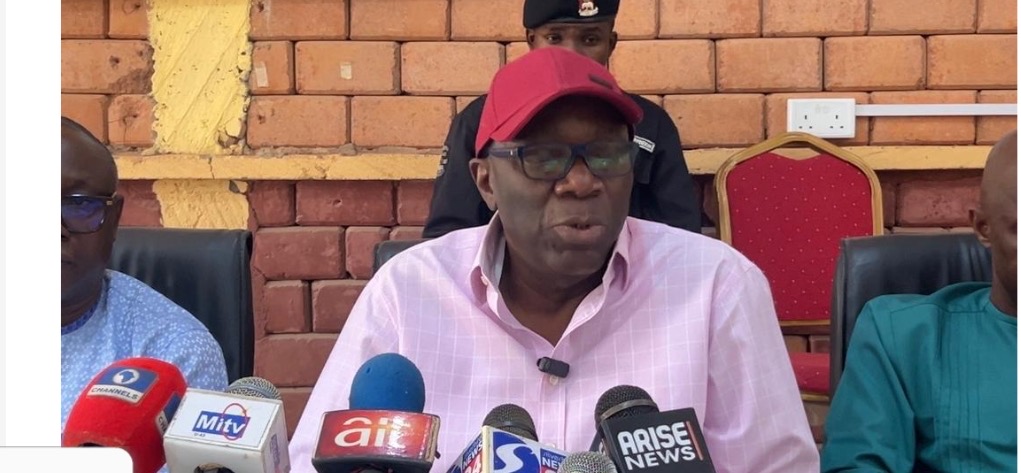
The Independent National Electoral Commission (INEC) has expressed confidence in its readiness to conduct the June 20, 2026 governorship election in Ekiti State, outlining a comprehensive framework to ensure a transparent, peaceful, and credible exercise.
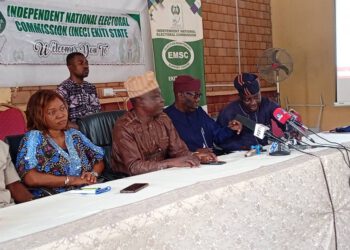
Speaking at a media briefing, the Resident Electoral Commissioner, Dr. Bunmi Omoseyindemi, said preparations have reached an advanced stage, with critical components of the electoral process already in motion.
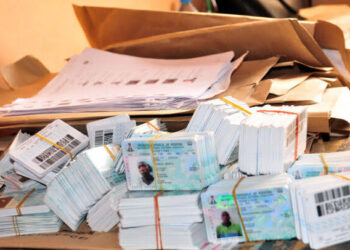
He disclosed that the final voters’ register is nearing completion and will soon be published for verification and shared with political parties. Details regarding the collection of Permanent Voter Cards (PVCs) will be announced shortly, with a reminder that possession of a PVC remains a prerequisite for voting.
On manpower, Omoseyindemi noted that the recruitment and screening of ad-hoc staff are ongoing, adding that intensive training will follow immediately to equip personnel with the necessary skills, particularly in the use of the Bimodal Voter Accreditation System (BVAS) and other election procedures.
The commission, he said, has also made firm arrangements for the procurement, storage, and distribution of both sensitive and non-sensitive materials. Coordination with security agencies has been strengthened to guarantee the safe delivery of these materials across all polling units.
INEC will deploy BVAS for accreditation, while election results will be transmitted electronically through its Result Viewing Portal (IReV), a move aimed at strengthening transparency and public trust in the process.
On security, the REC revealed that the commission is working in collaboration with the Inter-Agency Consultative Committee on Election Security (ICCES) to safeguard the process, while urging political stakeholders to avoid actions that could trigger unrest.
He added that engagement with key stakeholders, including political parties, traditional institutions, civil society groups, and the media, has been intensified, alongside voter education campaigns designed to boost participation among youths, women, and Persons with Disabilities (PWDs).
To ensure inclusivity, INEC has introduced measures such as braille ballot guides, magnifying devices, and priority voting arrangements for voters with disabilities.
Omoseyindemi further identified potential risk factors that could affect the election, including vote trading, political intimidation, logistical challenges in remote areas, misinformation, voter apathy, and adverse weather conditions.
To curb vote buying, he said security operatives would be deployed beyond polling units, with additional monitoring support from the Economic and Financial Crimes Commission (EFCC) and the Independent Corrupt Practices Commission (ICPC). Movement restrictions on election day and intensified public awareness campaigns are also part of the strategy.
Areas considered politically sensitive, including Ado, Ikere, and Oye, will witness heightened security presence to prevent intimidation and violence, while difficult terrains such as Ilejeme, Ise/Orun, and Moba will benefit from early deployment of materials and alternative logistics arrangements.
To combat fake news, INEC plans to activate rapid response communication channels and collaborate closely with the media to ensure timely dissemination of verified information.
The REC also acknowledged the possibility of rain-related disruptions, noting that contingency measures have been put in place, including early movement of materials and protective provisions for sensitive equipment.
He called on voters to participate peacefully, urged political parties to comply strictly with electoral rules, and encouraged the media to sustain responsible reporting.
Omoseyindemi reiterated INEC’s commitment to delivering an election that reflects the will of the people, assuring Nigerians that the commission remains on track to meet its mandate.