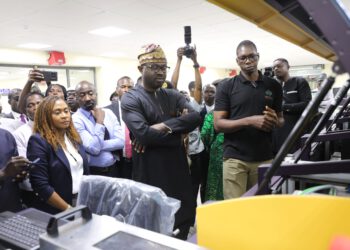
The Federal Government has unveiled plans to connect the Baro Inland Port in Niger State to the Lagos–Kano narrow-gauge rail line as part of efforts to revitalise the port and improve the movement of goods across the country.
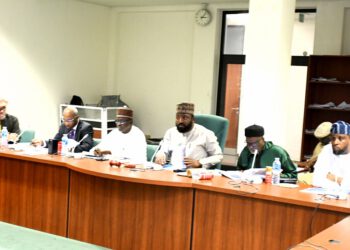
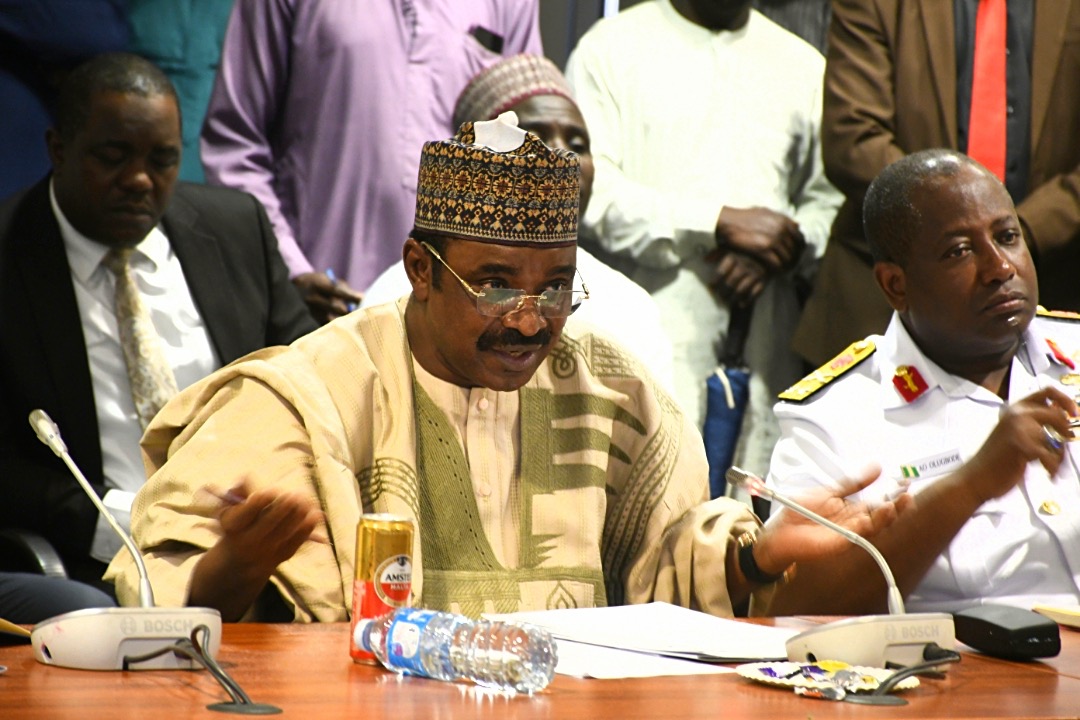
Minister of Transportation, Senator Said Ahmed Alkali, disclosed this in Abuja during an interactive session with the House of Representatives Ad-hoc Committee on the Rehabilitation and Operationalisation of the Baro Inland Port.
Alkali explained that following the creation of the Federal Ministry of Marine and Blue Economy, the planning, development, and management of the Baro Inland Port now fall under that ministry, with the Nigerian Inland Waterways Authority (NIWA) managing it as a national asset.
“Notwithstanding the above reality, the Ministry of Transportation has a critical role in the operations of the Baro Inland Port through the effective execution of the ongoing rehabilitation of the 190km old narrow-gauge rail from Minna to Baro,” Alkali said.
According to him, the rail line will be linked to the rehabilitated Lagos–Kano narrow gauge for freight movement. “The route has been put into use, although operations were recently interrupted by the Mokwa flood incident,” he added, appealing to the National Assembly to allocate funds for the project’s completion.
Earlier, Chairman of the Committee, Hon. Saidu Musa Abdullahi, stressed the importance of moving beyond rhetoric to tangible actions that will restore the Baro Port’s historic role as a key economic artery in Nigeria’s logistics network.
He identified three major factors hindering the port’s operations: dredging the capital channel to ensure navigability, establishing rail connectivity between Baro and Minna, and constructing access roads to facilitate cargo movement.
On financing, Abdullahi urged the exploration of innovative funding models, including private-sector partnerships and development finance, warning that relying solely on government budgets would stall progress.
He also called on the committee to embark on a physical assessment of the port to better understand the work needed to bring it to full operational capacity.