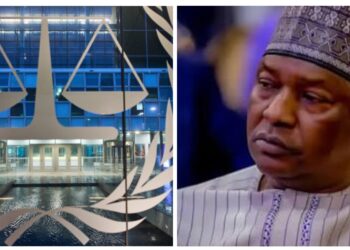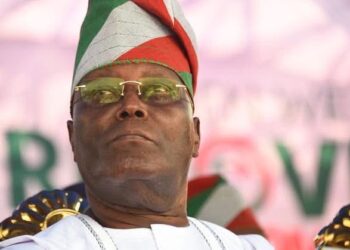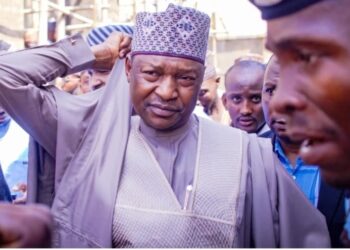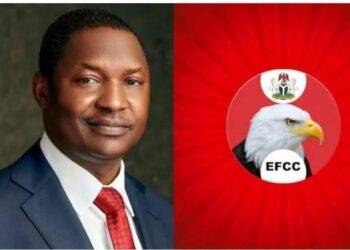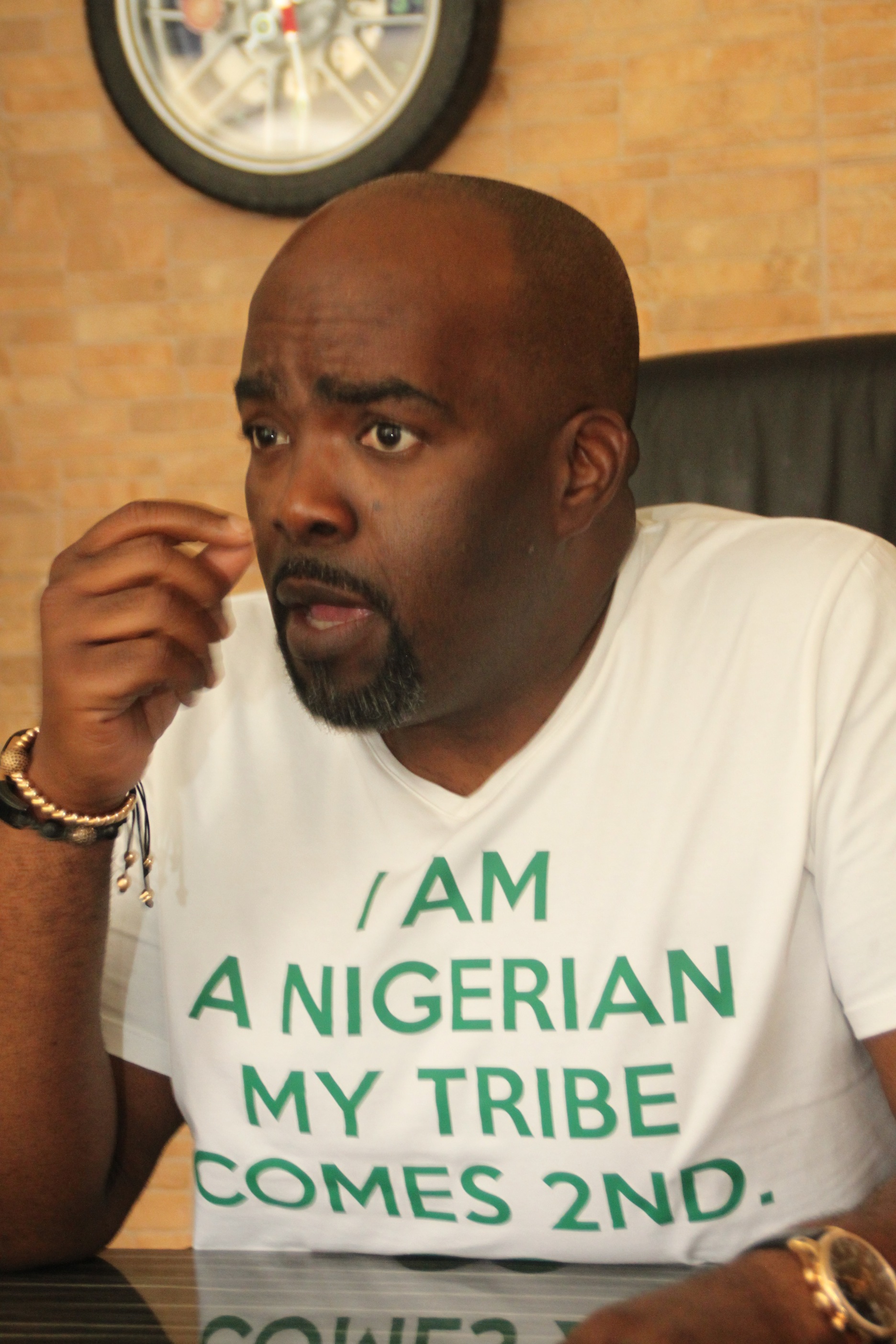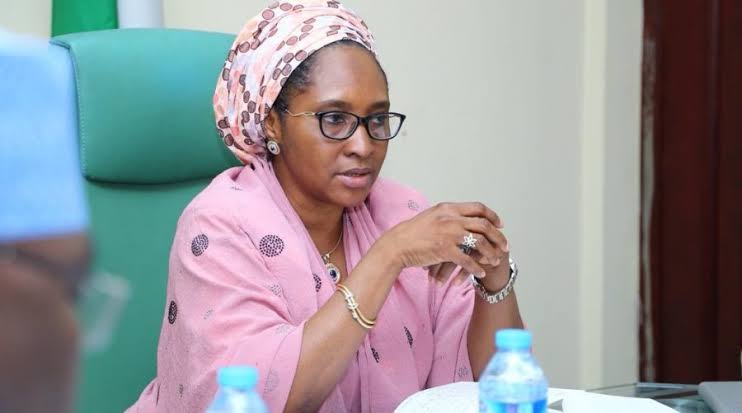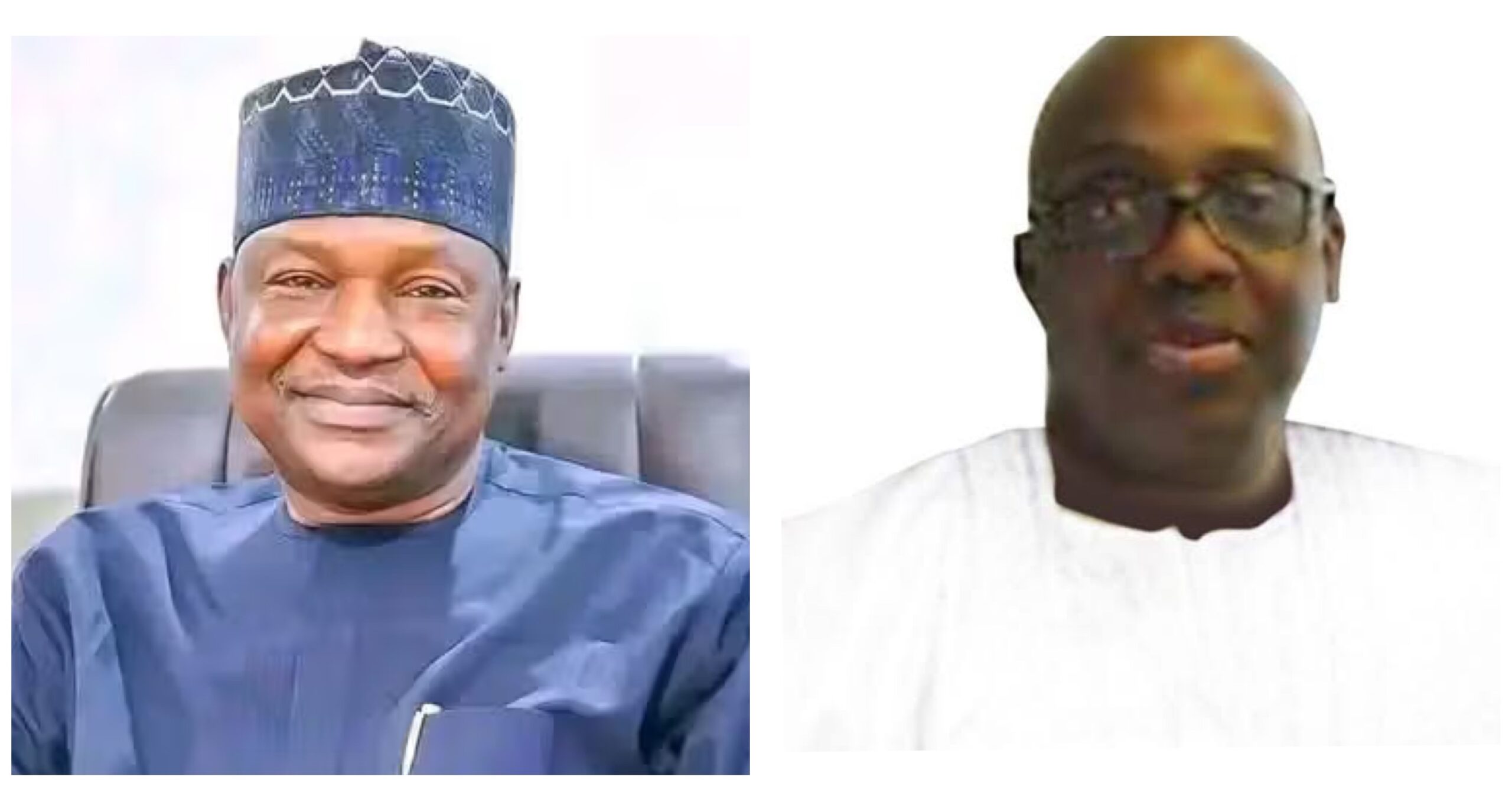
The International Chamber of Commerce (ICC) arbitration tribunal has indicted former Attorney-General of the Federation, Abubakar Malami, and Sunrise Power promoter, Leno Adesanya, over a controversial settlement agreement that could have exposed Nigeria to a $400 million payment.
The issue arose from a Settlement Agreement signed on January 2, 2020, under which Nigeria was to pay $200 million.
Just nine weeks later, an Addendum dated March 25, 2020, introduced a further $200 million financial-default sanction, effectively doubling the potential amount payable to $400 million.
The tribunal said the timing of the increase raised serious concerns, particularly in light of evidence presented by Adesanya about an alleged bribe solicitation involving Malami and former Minister of Power, Saleh Mamman.
Adesanya testified that during a conversation with Malami and Mamman, he heard them say that Nigeria would not pay the $200 million at once, but would initially pay half and release the remaining amount after he had done “what is needed.”
According to the tribunal, Adesanya also testified that he had obtained audio and video recordings of the alleged solicitation.
The tribunal said the recordings could have been significant evidence if Adesanya had agreed to pay part of the settlement proceeds to the officials, adding that they could have helped establish the nature of the arrangement.
However, the recordings were withheld from the tribunal by Sunrise and Adesanya.
Buhari repeatedly rejected settlement
The tribunal found that Malami failed on some occasions to convince the late President Muhammadu Buhari to approve the renegotiated agreement.
In a handwritten note dated April 20, 2020, Buhari withheld his approval on the basis that “FG hasn’t got USD 200m to pay (Sunrise).”
The tribunal stated that Malami “failed to provide President Buhari with the correct information,” even as the late President repeatedly rejected the settlement agreements.
On January 18, 2021, the tribunal established that Buhari’s Chief of Staff sent a letter to Malami, with the late President’s handwritten rejection reading: “not approved.”
Despite Buhari’s refusal, the tribunal found that Malami persisted in his attempts to convince him by repeatedly making the case for the settlement in favour of Sunrise.
The tribunal further found that Malami and Adesanya coordinated on different occasions and had direct contact with each other via WhatsApp, even when they were opposing parties.
The tribunal concluded that the evidence was sufficient to establish a corrupt deal between Adesanya and Malami.
“In conclusion, with respect to the corruption allegations in relation to the Settlement Agreement and the Addendum thereto, the Tribunal therefore considers that a corrupt deal was reached between Mr Adesanya on the one hand, and Mr Malami on the other hand, rendering the Settlement Agreement and the Addendum thereto a product of corruption,” the ICC verdict showed.
The tribunal noted that Malami failed to appear before it to give evidence, adding that he acted against Nigeria’s interest and was “motivated by other incentive(s).”