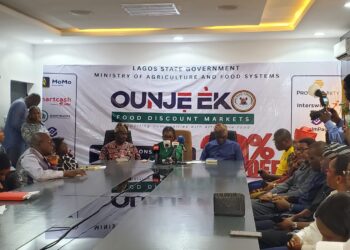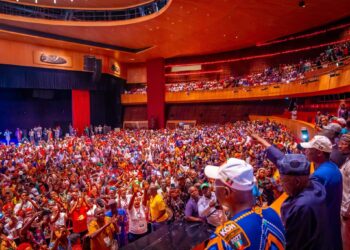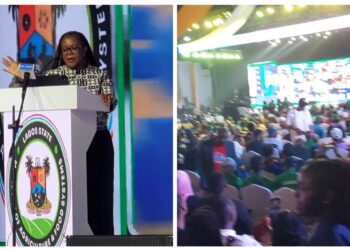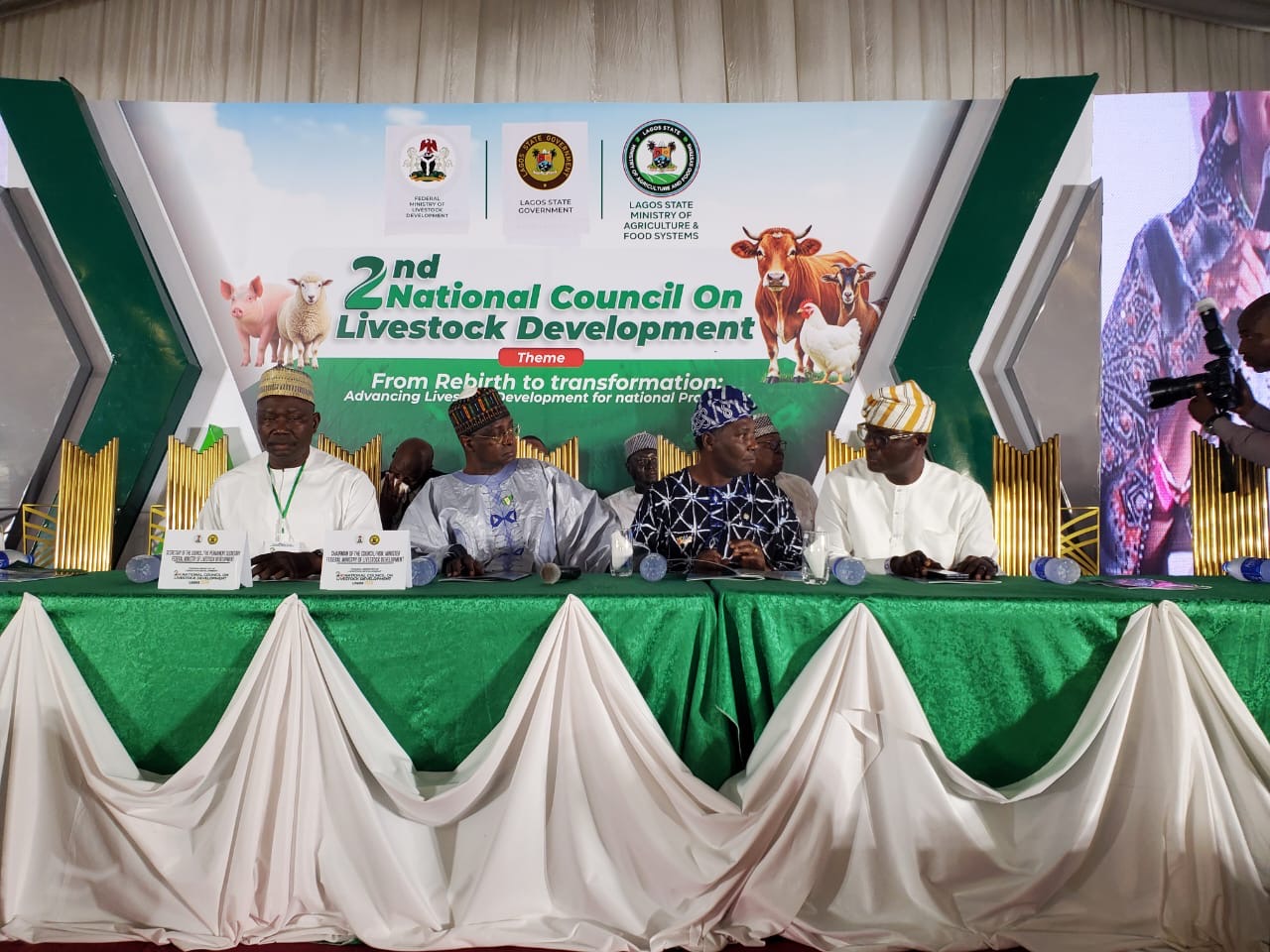
The Lagos State Government has reaffirmed its commitment to strengthening livestock production and expanding the value chain to advance food security and improve residents’ well-being as the state hosted the second National Council Meeting on Livestock Development.
The event was attended by representatives of the Federal Government, state governments and relevant institutions, who deliberated on strategies to unlock Nigeria’s livestock potential and position the sector as a major driver of economic growth, innovation and national prosperity.
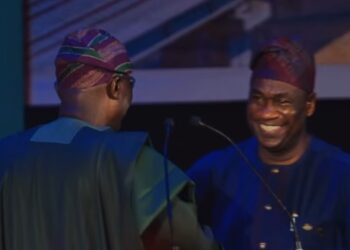
Speaking at the event, the Special Adviser to the Lagos State Governor on Agriculture and Food Systems, Dr. Oluwarotimi Fashola, said the gathering reflected the priority the Federal Government attached to livestock development, noting that Lagos remained the largest market in the West African sub-region.
He said the state government was committed to scaling up the livestock value chain in furtherance of food security and the overall well-being of residents.
Fashola commended the decision to establish committees for further deliberations on issues raised at the Council and urged participating states to adopt the Minister’s speech as a working document for developing the sector to its full potential.
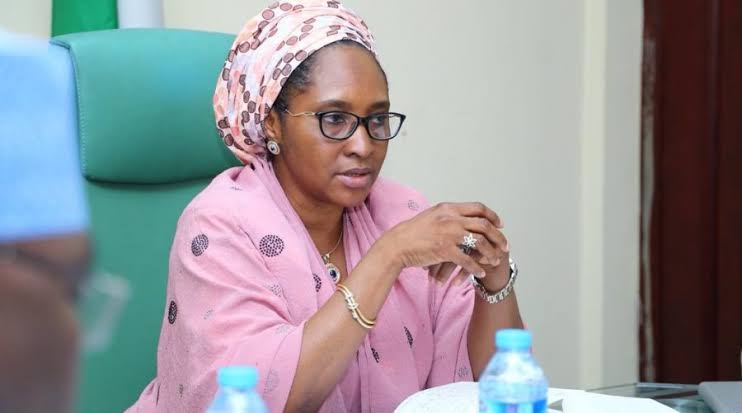
The Federal Government, meanwhile, reiterated its determination to unlock Nigeria’s vast livestock potential, with the Permanent Secretary of the Federal Ministry of Livestock Development, Dr. Chinyere Ijeoma Akujobi, represented by Peter Alike, noting that the country had yet to fully harness its abundant livestock resources, entrepreneurial farmers, indigenous knowledge and expanding market for animal-source foods.
He attributed the gap to impaired productivity, low competitiveness and underdeveloped value chains, compounded by inadequate infrastructure, limited access to improved breeds, animal diseases and shortages of feed and fodder.
Alike called for a shift from fragmented interventions to coordinated national action, urging stakeholders to use the Council as a platform for building consensus, resolving policy constraints and strengthening intergovernmental collaboration rather than treating it as a routine annual statutory gathering.
Speaking on the theme, “From Rebirth to Transformation: Advancing Livestock Development for National Prosperity,” he urged delegates to ensure that memoranda and resolutions adopted at the meeting align strictly with the National Livestock Growth Acceleration Strategy.
He said achieving the country’s livestock development aspirations would require deliberate and targeted investments in improved animal genetics, sustainable feed production and critical sector infrastructure.
He also urged state commissioners and government representatives to leverage the Council to strengthen livestock institutions and programmes in their respective jurisdictions, while reaffirming the Federal Ministry’s commitment to capacity building and resource mobilisation.
Alike charged participants to approach their deliberations with patriotism, mutual respect and the determination to develop lasting and innovative solutions capable of advancing national prosperity.
Similarly, the Chairman of the House of Representatives Committee on Livestock Development, Mr. Wale Raji, urged the Federal Ministry to urgently translate its policy frameworks into tangible economic benefits for Nigerians.
Raji said while foundational strides had been made since the establishment of the ministry in 2024, Nigerians were increasingly looking forward to visible improvements in their livelihoods and the country’s food security.
He described the creation of the ministry as a bold milestone in efforts to reposition livestock development as a major driver of employment and economic growth, noting that dedicated livestock institutions had expanded from three states to 20 as of August 2026.
According to him, the expansion reflected growing state-level commitment and stronger federal collaboration in advancing livestock development.
He also highlighted the National Livestock Growth Acceleration Strategy, which targets increasing the sector’s economic contribution from $32 billion to at least $74 billion by 2035.
The President of the Veterinary Council of Nigeria, Prof. Matthew Adamu, said the theme of the meeting reflected not only the opportunities available in the livestock sector but also the collective responsibility of stakeholders to harness them for national development.
Adamu described the sector as being at a defining moment, noting that livestock production had for decades supported millions of livelihoods, provided animal-source foods, supplied raw materials to industries and sustained commercial activities across the country.
He, however, lamented that despite its enormous potential, the sector had yet to attain the level of productivity, competitiveness and industrial development its natural and human resources could support.
He challenged the country to move beyond repeatedly discussing the sector’s potential and focus on harnessing it to drive productivity and sustainable growth.
Adamu said the meeting provided an opportunity for stakeholders to consider how renewed government attention, institutional reforms, investments and stakeholder commitments could translate into measurable and sustainable national progress.