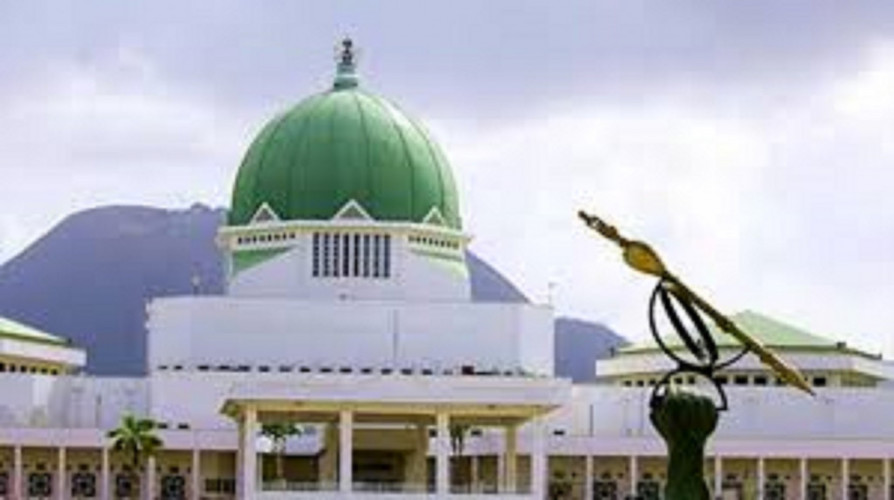
The National Assembly has announced plans to translate Nigerian laws into Yoruba, Hausa, Igbo and other indigenous languages to make legislation more accessible to citizens and promote public understanding of the law.
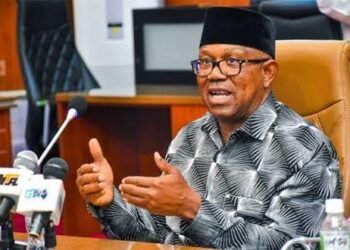
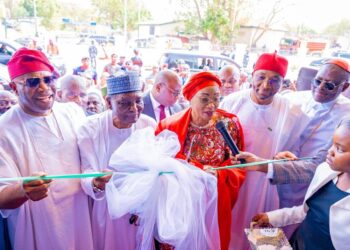
The Executive Secretary of the National Assembly Library Trust Fund, Henry Nwawuba, disclosed this on Monday in Abuja at the opening of the 2026 National Assembly Library Week.
Nwawuba said the initiative formed part of efforts to bridge the gap between the legislature and the public by making parliamentary records, legislative information and legal documents easier to access and understand.
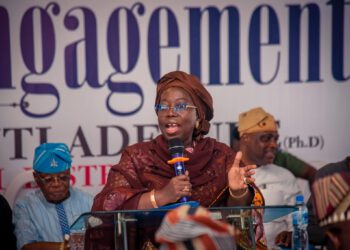
The three-day event, themed “Parliamentary Memory: Connecting Records, Legislation and the People”, focuses on promoting legislative research, improving access to information and encouraging the effective use of the National Assembly Library’s resources.
He explained that the library was undertaking several digital transformation initiatives, including the development of electronic repositories, the upgrading of its e-Library and the introduction of a mobile application.
According to him, the library is also developing a Bills Tracker to enable Nigerians to follow proposed legislation and monitor bills as they progress through the legislative process.
He added that the institution was exploring the use of infographics, audiovisual materials and video explainers to simplify bills, laws and parliamentary procedures for public consumption.
Nwawuba said translating legislation into indigenous languages would enable more Nigerians to understand laws affecting their daily lives and encourage greater public participation in democratic governance.
He noted that the digitisation of parliamentary records would also help tackle inconsistencies in official documents and curb the circulation of fake and unauthorised versions of National Assembly records.
Describing the library as the legislature’s knowledge infrastructure, he said it played a critical role in preserving parliamentary records, research materials, legislative information and the institutional memory of Nigeria’s democratic journey.
He further disclosed that the library planned to organise public policy dialogues to encourage citizens’ participation in public hearings and strengthen engagement among lawmakers, researchers and other stakeholders.
In his remarks, the President of the Senate, Godswill Akpabio, represented by Senator Osita Ngwu, urged lawmakers to maximise the resources available at the National Assembly Library, particularly in addressing the growing challenges of misinformation and disinformation in the age of artificial intelligence.
Similarly, the Speaker of the House of Representatives, Tajudeen Abbas, represented by the House Leader, Julius Ihonvbere, stressed the importance of preserving legislative records as a means of documenting Nigeria’s history and strengthening democratic governance.
Abbas said the effectiveness of a legislature should not be judged solely by the number of laws it passes but also by its ability to document its activities, preserve institutional knowledge and make such records accessible to future generations.
The Clerk to the National Assembly, Kamoru Ogunlana, identified the Order Paper, Votes and Proceedings and the Hansard as essential records for preserving the country’s parliamentary history.
He, however, raised concerns over the circulation of incomplete, outdated, altered and unauthorised legislative documents, warning that digital technology had made it easier for such materials to be manipulated and widely distributed within minutes.
Ogunlana called for stronger collaboration among the National Assembly, the Office of the Attorney-General of the Federation, the Nigerian Law Reform Commission and the Federal Government Press to ensure that Nigerians had access to accurate, current and authoritative versions of federal laws.
He observed that the continued reliance on the Laws of the Federation of Nigeria, 2004, highlighted the challenges associated with maintaining an updated and authoritative compilation of federal legislation.
The clerk also called for improved cybersecurity measures, digital preservation systems, secure document authentication, access controls and regular data backups, alongside staff training, to protect parliamentary records as the legislature expands its digital operations.
In his goodwill message, the President of the Nigerian Library Association, Lawal Umar, emphasised the need for sustained investment in libraries and modern information technology to improve access to legislative information.