By Dave Agboola
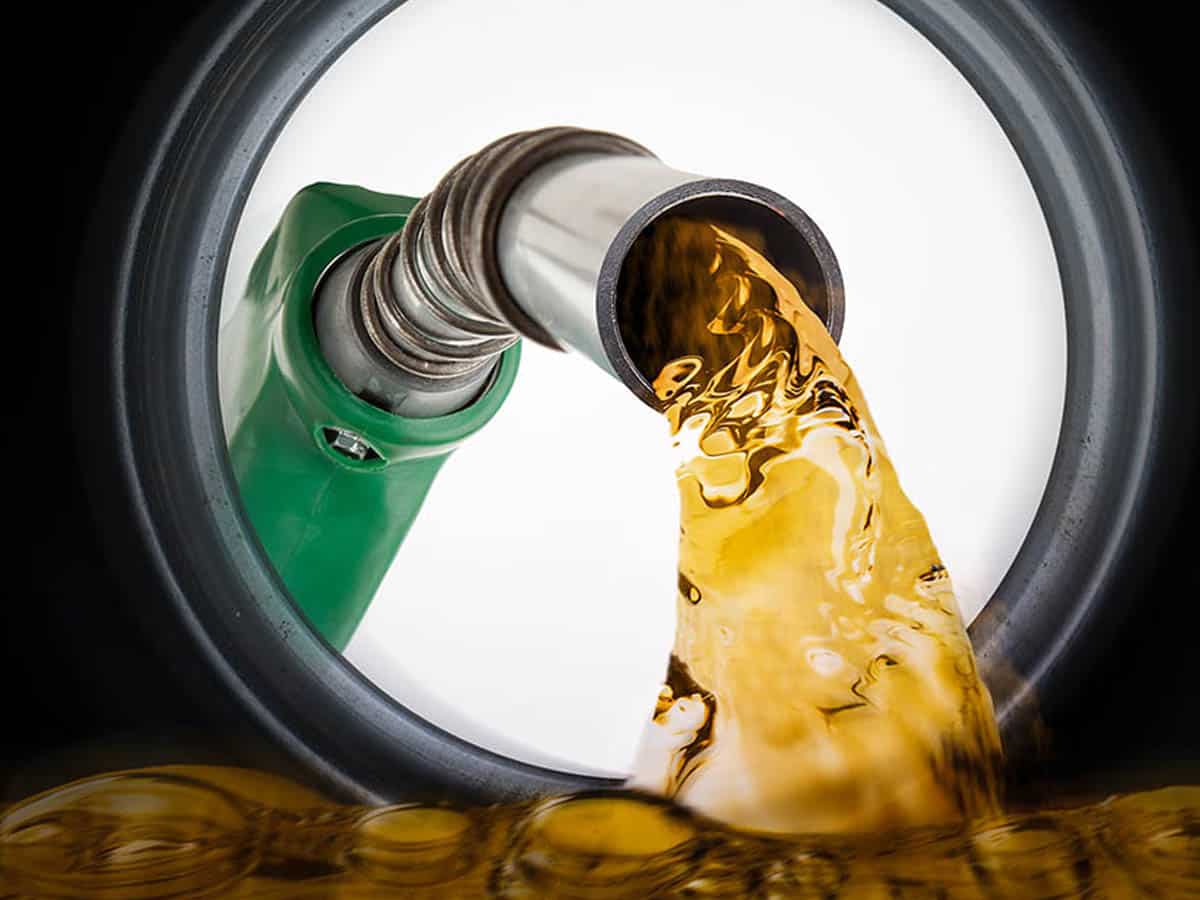
The world is in the middle of a fuel shock. Tensions involving Iran, the United States, and Israel around the Strait of Hormuz — one of the most critical oil transit routes — have disrupted supply chains and sent West Texas Intermediate (WTI) and Brent Crude prices soaring.
This surge has translated into higher petrol and diesel costs across every nation. From Washington to Berlin, Ottawa to Johannesburg, no country has been spared.
Yet in Nigeria, rising fuel prices have been turned into a political weapon. Opposition voices and even some educated individuals have used this global crisis to attack President Bola Ahmed Tinubu’s administration, ignoring the fact that the same phenomenon is crippling economies worldwide.
In the United States, gasoline averages around $4.45 per gallon (≈ $1.18 per liter). In Canada, it’s about $1.45 per liter. Across Europe, the average is $1.54 per liter, with countries like Germany and the UK exceeding $1.70 per liter. Meanwhile, Nigeria’s price remains around $0.40 per liter — still among the lowest globally.
Fuel prices are not dictated by local politics alone. They are shaped by global crude benchmarks, refining costs, taxes, and exchange rates.
When Brent Crude spikes, every country feels the pinch. Even the U.S. Energy Information Administration reports a 30% year‑on‑year increase in American pump prices. This proves that no government, no matter how advanced, can fully shield its citizens from global market shocks.
Nigerians must rise above ignorance and understand the economics behind these fluctuations. The rise in petrol and diesel costs is not a failure of leadership but a reflection of global instability. Instead of echoing uninformed criticism, we should focus on awareness and resilience. The next time prices rise, remember — it’s not just Nigeria. It’s the same storm shaking Washington, Berlin, and Johannesburg.
Knowledge is power. Ignorance is expensive. Let’s be informed, not inflamed!
Agboola writes from Lagos, Nigeria